

Understanding Stainless Steel Welding Wire: Essential Insights for Professionals
Release time:
2026-05-25
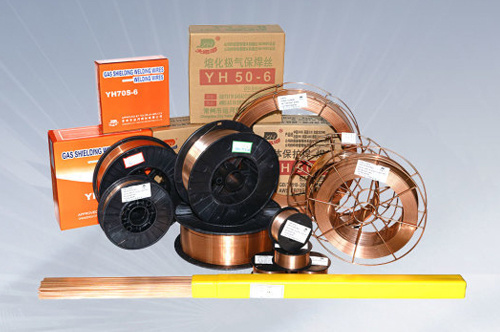
Stainless steel welding wire plays a crucial role in various applications across the metallurgy, mining, and energy industries. As a professional in this field, understanding the intricacies of stainless steel welding wire can enhance your welding processes and improve overall project outcomes. Stainless steel welding wire is manufactured from a blend of metals, including iron, chromium, and nicke
Stainless steel welding wire is manufactured from a blend of metals, including iron, chromium, and nickel. This unique composition provides exceptional resistance to corrosion, making it an ideal choice for applications exposed to harsh environments. The wire is available in different grades, with common options including 308, 309, and 316. Each grade offers specific characteristics, allowing professionals to select the most appropriate wire for their welding needs.
One of the primary advantages of using stainless steel welding wire is its ability to maintain structural integrity under high temperatures. This property is particularly beneficial in industries such as oil and gas, where equipment often operates in extreme conditions. Additionally, stainless steel welding wire provides excellent weldability, which enables professionals to achieve strong, reliable joints with minimal defects.
When selecting stainless steel welding wire, it is essential to consider the welding process being used. Common techniques include Gas Metal Arc Welding (GMAW), Gas Tungsten Arc Welding (GTAW), and Submerged Arc Welding (SAW). Each method may require specific wire diameters and feeding rates to achieve optimal results. Understanding these factors can significantly enhance the quality of the welds produced.
In addition to selecting the right wire, proper storage and handling practices are crucial to maintaining the integrity of stainless steel welding wire. Exposure to moisture and contaminants can lead to corrosion and defects in the weld. Therefore, it is advisable to store the wire in a dry, clean environment and handle it with care to prevent damage.
Furthermore, industry professionals should stay updated on advancements in welding technology and techniques. Innovations such as automated welding systems and new wire formulations can lead to improved efficiency and quality in welding projects. Continuous education and training in these areas can provide a competitive edge in the ever-evolving metallurgy and energy sectors.
In conclusion, stainless steel welding wire is an indispensable component in various industrial applications. By understanding its composition, benefits, and best practices, professionals can enhance their welding processes and achieve superior results. Whether working in the oil and gas sector or manufacturing, leveraging the advantages of stainless steel welding wire can lead to improved performance and longevity of welded structures.


YUNHE WELDING MATERIAL

Share to


Information Subscription
Welcome to leave your message of interest, we will contact you soon
Yaoguan Town, Wujin District, Changzhou, Jiangsu, China
Copyright©2025 Changzhou City Yunhe Welding Material Co.,Ltd.