

Stainless Steel Welding Wire: A Practical Guide to Selection and Industrial Applications
Release time:
2026-10-03
When manufacturers need reliable welding materials for stainless steel fabrication, equipment production, construction, maintenance, and repair, choosing the right Stainless Steel Welding Wire is an important step. Welding wire directly affects arc stability, weld appearance, joint strength, corrosion resistance, and overall production efficiency.
For industrial buyers, simply choosing a welding wire based on price is not enough. Material grade, wire diameter, welding process, surface condition, mechanical requirements, corrosion resistance, packaging, and application environment should all be considered before placing an order.
A suitable stainless steel welding wire can help manufacturers achieve consistent weld quality while improving production efficiency and reducing rework. Understanding the main selection factors can also make it easier for buyers to communicate their requirements with professional welding wire manufacturers and suppliers.
What Is Stainless Steel Welding Wire?
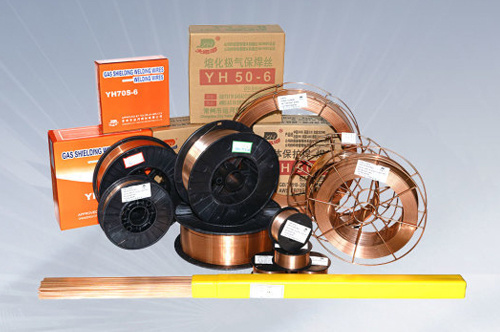
Stainless steel welding wire is a welding consumable specifically designed for joining stainless steel materials. Depending on the welding process, it can be supplied in different forms, specifications, diameters, and material grades.
Stainless steel contains chromium and may also include elements such as nickel, molybdenum, manganese, or other alloying elements. These elements contribute to properties such as corrosion resistance, strength, heat resistance, and durability.
Because stainless steel grades have different chemical compositions and performance characteristics, the welding wire needs to be selected according to the base material. Using an unsuitable wire can affect weld quality, corrosion resistance, and the mechanical performance of the finished joint.
For this reason, buyers should confirm the stainless steel grade and application requirements before selecting a welding wire.
Why Material Grade Matters
Material grade is one of the most important factors when purchasing stainless steel welding wire. Different stainless steel materials require compatible welding consumables to achieve suitable welding performance.
For example, austenitic stainless steels, ferritic stainless steels, martensitic stainless steels, and other stainless steel categories have different properties and welding requirements.
The chemical composition of the welding wire should be compatible with the base metal and the expected properties of the finished weld. Depending on the application, buyers may also need to consider corrosion resistance, temperature resistance, strength, and operating conditions.
Professional welding wire suppliers can help customers select suitable grades according to the base material, welding process, and final application.
Choosing the Right Wire Diameter
Wire diameter has a direct influence on welding current, deposition rate, heat input, and welding control. Different applications require different wire sizes.
Smaller diameter welding wire can be suitable for thinner stainless steel materials and applications where precise control is important. Larger diameters may be more appropriate for thicker materials and higher deposition requirements.
The selected wire diameter should also match the welding equipment and feeding system. An unsuitable diameter may cause unstable wire feeding, inconsistent arc performance, or reduced production efficiency.
Before purchasing stainless steel welding wire, buyers should confirm the material thickness, welding current range, welding equipment, joint design, and required deposition performance.
Welding Process Compatibility
Stainless steel welding wire is used with different welding processes, and each process has specific requirements. Common applications include gas metal arc welding and other wire-based welding processes.
Shielding gas selection can also affect welding performance. The appropriate gas and welding parameters depend on the stainless steel grade, wire specification, joint design, welding position, and required weld characteristics.
For industrial production, the welding wire should be matched with the equipment, current type, polarity, shielding conditions, and operating parameters.
Manufacturers should therefore provide detailed information about their welding process when purchasing wire. This allows suppliers to recommend products that are more suitable for actual production conditions.
Surface Quality and Manufacturing Consistency
The surface condition of stainless steel welding wire can affect wire feeding and welding stability. A clean and properly manufactured wire can support smoother feeding and more consistent welding performance.
Manufacturing consistency is especially important for high-volume industrial applications. Variations in wire diameter, chemical composition, surface condition, winding quality, or packaging can create differences between batches.
Professional manufacturers normally implement quality-control procedures throughout production. Raw materials, wire drawing, surface treatment, dimensional accuracy, winding, and final packaging can all be inspected to maintain product consistency.
For buyers who use large quantities of welding wire, stable batch quality can help reduce production interruptions and maintain consistent welding results.
Corrosion Resistance and Weld Performance
One of the major reasons manufacturers choose stainless steel is its resistance to corrosion. The welding process should therefore preserve the required properties of the finished product as much as possible.
The selection of welding wire should take into account the working environment of the finished component. Applications exposed to moisture, chemicals, salt, high temperatures, or other demanding conditions may require specific stainless steel grades and welding consumables.
Proper welding parameters are also important. Excessive heat input, incorrect shielding conditions, or unsuitable welding procedures may influence weld quality and corrosion performance.
For critical applications, buyers should work with experienced welding engineers or suppliers to confirm the appropriate welding wire and process parameters.
Applications of Stainless Steel Welding Wire
Stainless steel welding wire is widely used in industries that require durable, corrosion-resistant, and visually consistent welded components.
In food processing equipment manufacturing, stainless steel welding wire can be used for tanks, processing equipment, pipelines, frames, and other components that require clean surfaces and corrosion resistance.
Chemical processing equipment is another important application area. Stainless steel components may be exposed to chemicals and demanding operating conditions, making appropriate material selection essential.
The wire is also used in automotive components, architectural structures, kitchen equipment, medical equipment, pressure-related equipment, storage tanks, machinery, and general industrial fabrication.
Depending on the wire grade and welding process, it can support both standard fabrication and specialized manufacturing requirements.
How to Improve Welding Efficiency
Choosing a suitable welding wire is only one part of improving production efficiency. Manufacturers should also optimize welding parameters, equipment settings, shielding conditions, wire feeding, and operator procedures.
Consistent wire diameter and stable feeding can help reduce interruptions during production. Suitable deposition characteristics can also improve welding speed and reduce the amount of finishing work required after welding.
For automated welding systems, wire quality becomes even more important because production depends on stable and continuous wire feeding.
Manufacturers can improve overall efficiency by combining suitable stainless steel welding wire with properly maintained welding equipment and standardized operating procedures.
Packaging and Storage Requirements
Proper packaging helps protect stainless steel welding wire during transportation and storage. Packaging should prevent contamination, moisture exposure, physical damage, and other factors that could affect product quality.
Buyers purchasing welding wire for international transportation should pay particular attention to packaging strength and moisture protection.
After delivery, the welding wire should be stored according to the manufacturer's recommendations. A clean, dry, and controlled storage environment can help maintain product condition.
For large distributors and industrial users, proper inventory management is also important. Clearly identifying different wire grades and specifications can reduce the risk of using the wrong welding consumable during production.
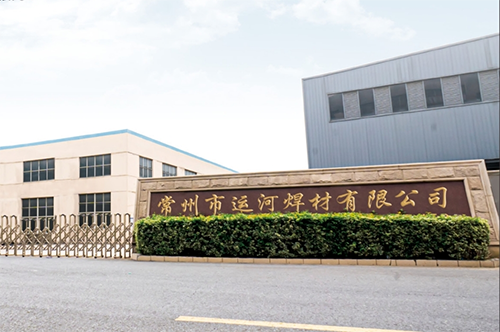
How to Choose a Stainless Steel Welding Wire Supplier
When sourcing stainless steel welding wire, buyers should evaluate more than product price. Manufacturing capability, quality control, product range, technical support, packaging, delivery capacity, and customization services should also be considered.
A reliable supplier should be able to provide detailed product specifications and explain the recommended applications for each welding wire grade.
Buyers should also ask about raw material control, production inspection, dimensional accuracy, surface quality, packaging standards, and batch consistency.
For distributors and large manufacturers, OEM services can provide additional flexibility. Customized packaging, labels, spool sizes, specifications, and order quantities can be developed according to business requirements.
A supplier with stable production capacity can also support long-term purchasing and help customers maintain a reliable supply of welding consumables.
Why OEM and Wholesale Supply Can Benefit Buyers
OEM and wholesale purchasing can be useful for distributors, welding supply companies, equipment manufacturers, and large industrial users.
By working directly with a manufacturer, buyers may obtain customized packaging, product specifications, branding, and order quantities. This can make it easier for distributors to develop their own product lines.
Wholesale purchasing can also help businesses plan inventory more efficiently, especially when welding wire is required on a regular basis.
For long-term cooperation, buyers can establish consistent product specifications and quality requirements, reducing the need to repeatedly evaluate new suppliers.
Conclusion
Stainless Steel Welding Wire plays an important role in stainless steel fabrication, industrial manufacturing, equipment production, maintenance, and repair. The correct welding wire can support stable arc performance, reliable weld quality, suitable mechanical properties, and the required corrosion resistance.
When selecting a product, buyers should consider stainless steel grade, wire diameter, welding process, shielding conditions, application environment, surface quality, packaging, and supplier manufacturing capabilities.
For professional industrial buyers, choosing a reliable stainless steel welding wire manufacturer is not simply about purchasing a consumable. It is about establishing a stable supply chain and maintaining consistent production quality.
By matching the welding wire with the base material, equipment, process parameters, and application requirements, manufacturers can improve welding efficiency and build more reliable stainless steel products.


YUNHE WELDING MATERIAL

Share to


Information Subscription
Welcome to leave your message of interest, we will contact you soon
Yaoguan Town, Wujin District, Changzhou, Jiangsu, China
Copyright©2025 Changzhou City Yunhe Welding Material Co.,Ltd.