

Understanding Gas Shielded Welding Wire: A Key Component in Welding Technology
Release time:
2026-05-11
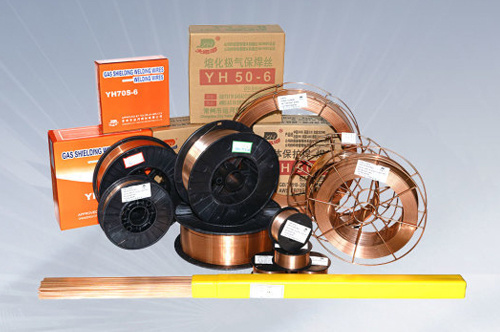
Gas shielded welding wire is a critical material used in various welding processes, particularly in gas metal arc welding (GMAW) and flux-cored arc welding (FCAW). It plays a pivotal role in ensuring high-quality welds, as it is designed to provide an optimal shielding gas that protects the molten weld pool from contaminants in the atmosphere. This shielding is vital for achieving strong, clean we
One of the primary characteristics of gas shielded welding wire is its composition. Typically made from a blend of steel and alloying elements, this type of welding wire is engineered to produce specific mechanical properties in the weld bead. The choice of wire type can significantly influence the strength, ductility, and corrosion resistance of the finished joint. For instance, certain wires are designed for welding stainless steel, while others are optimized for carbon steel applications.
The process of using gas shielded welding wire involves feeding the wire through a welding gun, where it melts and forms the weld pool. The shielding gas, often a mixture of argon and carbon dioxide, is simultaneously released from the welding gun to create an inert atmosphere around the weld. This setup helps to prevent oxidation and other contamination, which can weaken the weld. The efficiency of this process makes gas shielded welding wire a popular choice in industries where speed and quality are crucial.
Gas shielded welding wire is also favored for its versatility. It can be used in various positions, such as flat, horizontal, vertical, and overhead, making it suitable for a wide range of applications, from construction and automotive manufacturing to repair work. Additionally, the availability of different diameters and types of wire allows welders to select the most appropriate option for their specific requirements, enhancing their ability to achieve desired weld characteristics.
Furthermore, using gas shielded welding wire can lead to improved productivity. The continuous feeding of wire reduces downtime and increases the speed of the welding process. This efficiency not only saves time but also reduces the overall cost of projects, making it an attractive choice for many businesses in the welding sector.
In summary, gas shielded welding wire is a fundamental component in modern welding practices. Its ability to provide a protective atmosphere during the welding process ensures high-quality, durable welds that can withstand various environmental conditions. Understanding its properties and applications can greatly enhance the effectiveness of welding operations, making it an invaluable resource for professionals in the field.


YUNHE WELDING MATERIAL

Share to


Information Subscription
Welcome to leave your message of interest, we will contact you soon
Yaoguan Town, Wujin District, Changzhou, Jiangsu, China
Copyright©2025 Changzhou City Yunhe Welding Material Co.,Ltd.