Welding Wire with International Approvals Supports Reliable Global Manufacturing
Release time:
2026-07-30
OEM Welding Wire with International Approvals factory offers certified welding solutions with reliable quality, customized production, and global standards.
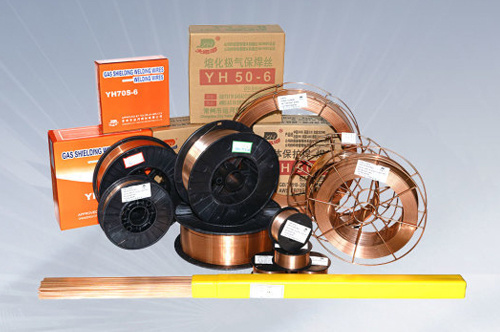
Welding Wire with International Approvals plays an important role in modern fabrication industries where quality consistency, safety compliance, and production efficiency directly influence project performance. As manufacturers expand their operations across different markets, welding materials must meet strict technical requirements from various regions. Welding wire that carries recognized international approvals helps companies reduce quality risks, simplify procurement processes, and maintain stable welding performance in demanding applications.
The Importance of Certified Welding Materials in Global Industries
The welding industry serves many sectors, including construction, shipbuilding, automotive manufacturing, energy equipment, and heavy machinery production. Each industry requires welding materials that can provide strong joints, stable arc performance, and long service life. However, different countries and regions often follow different standards for material quality, manufacturing processes, and inspection procedures.
International approvals provide a reliable reference for buyers when selecting welding consumables. These certifications show that the welding wire has passed professional evaluations related to chemical composition, mechanical properties, production control, and welding performance. For global suppliers and manufacturers, approved welding wire improves confidence during supplier qualification and project review processes.
How International Standards Improve Welding Reliability
Welding quality depends on many factors, and welding wire plays a critical role in determining the final joint performance. High-quality welding wire helps maintain stable feeding, consistent melting behavior, and proper fusion between base materials. When the wire meets international standards, manufacturers can achieve more predictable welding results during large-scale production.
Approved welding wire usually follows strict manufacturing controls, including raw material selection, drawing processes, surface treatment, and quality inspection. These procedures reduce issues such as inconsistent diameter, surface contamination, and unstable welding conditions. As a result, manufacturers can improve production efficiency while reducing rework caused by welding defects.
Different industries may require different approval systems depending on their applications. For example, structural projects often focus on strength and durability, while pressure equipment and marine applications may require additional verification of safety performance. Welding wire with international approvals allows suppliers to meet these diverse requirements more effectively.
Meeting the Needs of Different Welding Applications
Modern welding projects involve various materials, welding methods, and operating environments. Carbon steel, stainless steel, and alloy materials each require suitable welding wire solutions to achieve reliable results. Manufacturers must consider factors such as tensile strength, corrosion resistance, operating temperature, and welding position before choosing the appropriate product.
In heavy equipment manufacturing, welding wire must support strong joints that withstand vibration, impact, and continuous mechanical stress. In shipbuilding and offshore applications, welding materials need excellent durability under challenging environmental conditions. For automotive and industrial production lines, welding wire must provide consistent performance to support high-speed automated welding processes.
International approvals help buyers identify welding wire products that match industry expectations. They also support smoother communication between manufacturers, distributors, and end users because technical requirements become easier to verify.

Quality Control Behind Approved Welding Wire Production
Reliable welding wire production requires comprehensive quality management throughout the manufacturing process. Suppliers typically control every stage, from raw material inspection to finished product testing. Advanced production equipment and precise monitoring systems help maintain stable product dimensions and welding characteristics.
Before delivery, approved welding wire often undergoes multiple inspections to confirm that it meets required standards. These evaluations may include chemical analysis, mechanical testing, weld appearance inspection, and packaging checks. Such procedures ensure that the product performs consistently during actual welding operations.
For international buyers, quality control also reduces supply chain uncertainty. Working with suppliers that provide approved welding wire allows companies to maintain consistent production standards across different facilities and regions.
The Role of Approved Welding Wire in International Trade
Global manufacturing depends on reliable material supply and clear compliance requirements. When companies purchase welding wire for overseas projects, approval documentation becomes an important part of supplier evaluation. Products with international certifications can help reduce technical barriers and support smoother cooperation between global partners.
Distributors and industrial buyers often prefer welding wire suppliers that understand international standards and provide complete technical information. This approach helps companies select suitable welding consumables while ensuring compliance with project specifications.
As industries continue to improve manufacturing quality and safety management, the demand for internationally approved welding wire will continue to grow. Reliable certification, stable performance, and professional production control make approved welding wire an essential material choice for modern industrial welding applications.
Future Development Trends of Certified Welding Wire
The welding industry is moving toward higher efficiency, automation, and stricter environmental requirements. Future welding wire development will focus on improving welding stability, reducing material waste, and supporting advanced manufacturing systems.
Automated welding equipment requires welding wire with precise dimensions and consistent performance. Any variation in wire quality can affect welding speed, accuracy, and production costs. Therefore, suppliers must continue improving manufacturing technology and quality management systems to meet changing market demands.
International approvals will remain an important factor in global purchasing decisions. Companies that provide reliable welding wire solutions with recognized certifications can better support customers in different industries and regions while contributing to safer and more efficient manufacturing processes.


YUNHE WELDING MATERIAL

Share to


Information Subscription
Welcome to leave your message of interest, we will contact you soon
Yaoguan Town, Wujin District, Changzhou, Jiangsu, China
Copyright©2025 Changzhou City Yunhe Welding Material Co.,Ltd.