


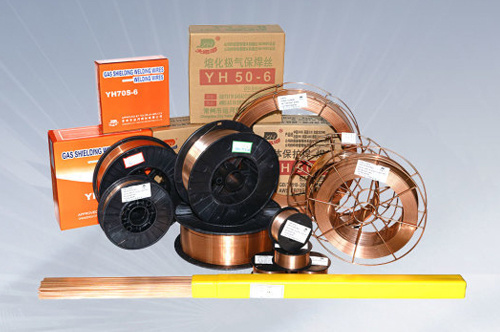
The Science Behind Gas Shielded Welding Wire: A Comprehensive Guide for Professionals
Release time:
2026-06-15
The Science Behind Gas Shielded Welding Wire: What You Need to Know Table of Contents 1. Understanding Gas Shielded Welding 2. Types of Gas Shielded Welding Wires 2.1 Solid Wire 2.2 Composite Wire 2.3 Flux-Cored Wire 3. The Chemistry of Welding Wire 3.1 Alloy Composition 3.2 Effects of Shielding Gas 4. Applications of Gas Shielded Welding Wire 4.1 Industrial Applications 4.2 Automotive Application
The Science Behind Gas Shielded Welding Wire: What You Need to Know
Table of Contents
1. Understanding Gas Shielded Welding
2. Types of Gas Shielded Welding Wires
2.1 Solid Wire
2.2 Composite Wire
2.3 Flux-Cored Wire
3. The Chemistry of Welding Wire
3.1 Alloy Composition
3.2 Effects of Shielding Gas
4. Applications of Gas Shielded Welding Wire
4.1 Industrial Applications
4.2 Automotive Applications
5. Advantages of Using Gas Shielded Welding Wire
6. Factors Influencing the Choice of Welding Wire
6.1 Material Type
6.2 Thickness of Materials
7. Best Practices for Using Gas Shielded Welding Wire
8. Frequently Asked Questions (FAQs)
9. Conclusion
1. Understanding Gas Shielded Welding
Gas shielded welding is a technique that enhances the quality and efficiency of the welding process. This technique employs a shielding gas to protect the weld pool from atmospheric contamination, ensuring a clean and strong bond between the materials being joined. The process is widely used in various industries due to its ability to produce high-quality welds with minimal defects.
2. Types of Gas Shielded Welding Wires
There are several types of gas shielded welding wires, each designed for specific applications and welding techniques. Understanding the differences between these types is crucial for selecting the right wire for your welding project.
2.1 Solid Wire
Solid wire is one of the most commonly used types of gas shielded welding wire. It is made from a single strand of metal, allowing for consistent electrical conductivity. This type is often used in MIG welding and is known for its ease of use and versatility.
2.2 Composite Wire
Composite wire combines different materials to achieve specific welding properties. This type offers greater flexibility and can adapt to various welding conditions. It's particularly useful for applications requiring enhanced corrosion resistance and durability.
2.3 Flux-Cored Wire
Flux-cored wire is designed with a hollow core filled with flux that generates a shielding gas during the welding process. This type of wire is ideal for outdoor welding as it can protect the weld pool from wind and other environmental factors, making it a popular choice in construction and heavy industry.
3. The Chemistry of Welding Wire
The composition of gas shielded welding wire is critical in determining its performance. Understanding the chemistry involved can help operators make informed decisions about the types of wires to use.
3.1 Alloy Composition
The alloy composition of welding wire can significantly influence its mechanical properties. Wires can be made from various metals, including steel, aluminum, and nickel, each offering unique advantages. For instance, carbon steel welding wires provide excellent strength, while aluminum wires are known for their lightweight properties.
3.2 Effects of Shielding Gas
The choice of shielding gas plays a vital role in the effectiveness of gas shielded welding. Common gases used include argon, carbon dioxide, and helium. Each gas interacts differently with the molten metal, affecting the quality of the weld and the overall process efficiency. For example, argon provides a stable arc and is often used for non-ferrous applications, while carbon dioxide is less expensive and offers deeper penetration for thicker materials.
4. Applications of Gas Shielded Welding Wire
Gas shielded welding wire is utilized across a wide range of applications, emphasizing its versatility and effectiveness.
4.1 Industrial Applications
In industrial settings, gas shielded welding wire is frequently employed in the fabrication of machinery, structural steelwork, and metal components. The ability to produce strong, durable welds makes it an essential tool in manufacturing and assembly processes.
4.2 Automotive Applications
The automotive industry relies on gas shielded welding wire for assembling vehicles, particularly in creating strong joints in frames and body panels. The precision and reliability offered by this welding method contribute to the overall safety and performance of vehicles.
5. Advantages of Using Gas Shielded Welding Wire
Gas shielded welding wire offers numerous advantages that make it a preferred choice for many welding applications. Some of these benefits include:
- **High-Quality Welds**: The shielding gas protects the weld from contaminants, resulting in a clean and strong joint.
- **Reduced Spatter**: This welding method typically produces less spatter compared to other techniques, leading to cleaner working conditions and less post-weld cleanup.
- **Versatility**: Gas shielded welding can be used on various materials, including steel, aluminum, and stainless steel, making it suitable for numerous applications.
- **Ease of Use**: Operators often find gas shielded welding wire easier to handle, allowing for greater precision and control during the welding process.
6. Factors Influencing the Choice of Welding Wire
Selecting the right gas shielded welding wire depends on several factors that can impact the success of the welding project.
6.1 Material Type
The type of material being welded significantly influences the choice of welding wire. Different materials have varying requirements for strength, ductility, and corrosion resistance. For example, stainless steel applications often require specific stainless steel wires to prevent corrosion and ensure longevity.
6.2 Thickness of Materials
The thickness of the materials being welded also plays a crucial role in choosing the appropriate welding wire. Thicker materials may require a wire with higher deposition rates to ensure sufficient penetration and bonding.
7. Best Practices for Using Gas Shielded Welding Wire
To maximize the effectiveness of gas shielded welding wire, following best practices is essential. Here are several tips to enhance your welding results:
1. **Select the Right Wire**: Choose the appropriate type of wire based on the materials and application requirements.
2. **Adjust the Welding Parameters**: Ensure that voltage, amperage, and travel speed are correctly set for optimal results.
3. **Maintain Proper Gas Flow**: Monitor the shielding gas flow rate to prevent contamination and ensure a stable arc.
4. **Keep the Work Area Clean**: Clean the surfaces to be welded to remove contaminants such as oil, rust, and dirt.
5. **Inspect the Welds**: Regularly check completed welds for defects and ensure they meet quality standards.
8. Frequently Asked Questions (FAQs)
Q1: What is the primary purpose of gas shielded welding wire?
A1: The primary purpose of gas shielded welding wire is to provide protection for the weld pool from atmospheric contamination, resulting in high-quality welds.
Q2: How do I choose the right gas for my welding wire?
A2: The right gas depends on the materials being welded and the desired properties of the weld. Argon is often used for non-ferrous metals, while carbon dioxide is suitable for steel welding.
Q3: Can gas shielded welding be used for aluminum?
A3: Yes, gas shielded welding is commonly used for aluminum, particularly with specific aluminum wires designed for this purpose.
Q4: What are the main advantages of using flux-cored wire?
A4: Flux-cored wire offers advantages such as enhanced protection from wind, the ability to weld thicker materials, and greater versatility in outdoor settings.
Q5: How can I improve my gas shielded welding skills?
A5: Improving welding skills can be achieved through practice, attending workshops, and staying updated with new techniques and technologies in the welding industry.
9. Conclusion
Gas shielded welding wire is a fundamental component in the welding industry, known for its ability to produce clean, strong welds with minimal defects. Understanding the various types of welding wire, their chemical properties, and the best practices for their use can significantly enhance welding outcomes. By selecting the appropriate wire and following established guidelines, professionals can ensure successful results across diverse applications. As technology continues to advance, staying informed about the latest developments in gas shielded welding will empower welders to achieve even greater levels of quality and efficiency in their work.


YUNHE WELDING MATERIAL

Share to


Information Subscription
Welcome to leave your message of interest, we will contact you soon
Yaoguan Town, Wujin District, Changzhou, Jiangsu, China
Copyright©2025 Changzhou City Yunhe Welding Material Co.,Ltd.