

Understanding Carbon Steel Welding Wire: Essential Insights for Effective Welding
Release time:
2026-06-08
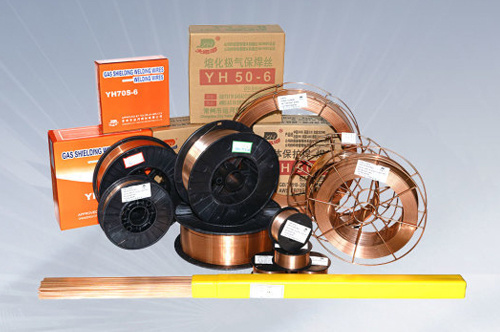
Carbon Steel Welding Wire is a vital component in the welding industry, particularly when it comes to joining steel structures and components. This type of welding wire is made from carbon steel, a versatile material known for its strength and durability. The wire is designed to be used with different types of welding processes, making it an essential choice for various applications. One of the pr
One of the primary advantages of Carbon Steel Welding Wire is its ability to create strong, lasting welds. It typically contains a combination of iron and carbon, with the carbon content varying to achieve different mechanical properties. For instance, low carbon steel welding wires are easier to weld and are less prone to cracking, while high carbon steel wires offer greater strength and hardness, making them suitable for demanding applications.
Carbon Steel Welding Wire is commonly used in industries such as construction, manufacturing, and automotive. Its versatility allows it to be employed for both structural and aesthetic applications. For example, it is often used in the fabrication of beams, pipes, and machinery parts. The wire can be used in various welding processes, including MIG (Metal Inert Gas) and TIG (Tungsten Inert Gas) welding, which are popular due to their efficiency and effectiveness.
When selecting Carbon Steel Welding Wire, it is important to consider the specific requirements of your project. Factors such as the type of weld, the thickness of the base materials, and the desired final properties will influence your choice. Additionally, the wire diameter can affect the weld quality and penetration depth, so it's crucial to select the appropriate size for your application.
Proper handling and storage of Carbon Steel Welding Wire are also essential to ensure optimal performance. The wire should be kept in a dry environment to prevent rust and contamination, which can adversely affect the weld quality. Furthermore, it's advisable to follow best practices during the welding process, such as maintaining the correct voltage and amperage settings, to achieve the best results.
In conclusion, Carbon Steel Welding Wire is a key element in the welding process, offering a balance of strength and workability for a wide range of applications. Understanding its properties and optimal usage is crucial for professionals seeking to achieve high-quality welds. By considering the specific needs of each project and adhering to best practices, welders can ensure successful outcomes and enhance the longevity of their welded structures.


YUNHE WELDING MATERIAL

Share to


Information Subscription
Welcome to leave your message of interest, we will contact you soon
Yaoguan Town, Wujin District, Changzhou, Jiangsu, China
Copyright©2025 Changzhou City Yunhe Welding Material Co.,Ltd.