

Essential Insights into Stainless Steel Welding Wire for Optimal Performance
Release time:
2025-12-16
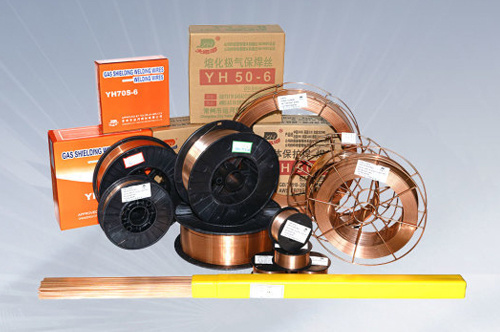
Stainless steel welding wire is a key component in the fabrication and construction industries, particularly within the metallurgical and energy sectors. This specialized wire is designed for optimal performance in various welding applications, ensuring strong, durable, and corrosion-resistant joints. Understanding the properties and types of stainless steel welding wire can significantly impact t
One of the most important factors to consider when selecting stainless steel welding wire is its composition. Typically, these wires are made from a blend of iron, chromium, and nickel, which contributes to their excellent corrosion resistance and mechanical properties. The specific alloy used will dictate the wire's suitability for different environments and applications. For instance, the addition of molybdenum enhances resistance to pitting, making it ideal for marine applications or environments exposed to harsh chemicals.
In terms of welding processes, stainless steel welding wire is compatible with various techniques, including MIG (Metal Inert Gas) and TIG (Tungsten Inert Gas) welding. Each process has its advantages; for example, MIG welding is generally faster and easier to automate, while TIG welding offers greater control and is often preferred for thin materials or critical applications. The choice of welding technique will influence the type of stainless steel welding wire you should use.
Another vital consideration is the diameter of the welding wire. The diameter can affect the heat input and the penetration of the weld. Thinner wires are typically used for welding thinner materials and can provide better control, whereas thicker wires may be necessary for heavier sections to ensure adequate fusion. Additionally, the wire's feedability is crucial; a well-designed wire will feed smoothly through the welding machine, minimizing downtime and increasing efficiency.
Furthermore, the storage and handling of stainless steel welding wire are essential to maintain its quality. Moisture and contamination can negatively impact the wire's performance, leading to defects in the weld. It is advisable to store the wire in a dry and clean environment, and to handle it with gloves to prevent oils or dirt from transferring to the surface.
Lastly, always refer to the manufacturer’s specifications and guidelines when selecting and using stainless steel welding wire. This information will provide vital insights into the appropriate wire type, diameter, and welding parameters for your specific application. By understanding these factors, you can enhance the overall quality and integrity of your welding projects, ensuring long-lasting results in your metallurgical and energy endeavors.


YUNHE WELDING MATERIAL

Share to


Information Subscription
Welcome to leave your message of interest, we will contact you soon
Yaoguan Town, Wujin District, Changzhou, Jiangsu, China
Copyright©2025 Changzhou City Yunhe Welding Material Co.,Ltd.