

The Role of CO2 Welding Wire in Achieving Stronger Welds
Release time:
2025-12-15
The Role of CO2 Welding Wire in Achieving Stronger Welds Introduction: Understanding CO2 Welding Wire In the realm of welding, the choice of materials significantly influences the strength and quality of the final product. One such pivotal material is **CO2 welding wire**, also known as **MIG (Metal Inert Gas) welding wire**. This article delves deep into the role of CO2 welding wire in enhancing
The Role of CO2 Welding Wire in Achieving Stronger Welds
Introduction: Understanding CO2 Welding Wire
In the realm of welding, the choice of materials significantly influences the strength and quality of the final product. One such pivotal material is **CO2 welding wire**, also known as **MIG (Metal Inert Gas) welding wire**. This article delves deep into the role of CO2 welding wire in enhancing weld quality, examining its properties, benefits, and applications.
Table of Contents
- 1. What is CO2 Welding Wire?
- 2. Types of CO2 Welding Wire
- 3. Advantages of Using CO2 Welding Wire
- 4. How CO2 Welding Wire Works in Welding Processes
- 5. Applications of CO2 Welding Wire Across Industries
- 6. Choosing the Right CO2 Welding Wire for Your Project
- 7. Best Practices for Using CO2 Welding Wire
- 8. Common Issues and Solutions When Using CO2 Welding Wire
- 9. Conclusion
- 10. Frequently Asked Questions
1. What is CO2 Welding Wire?
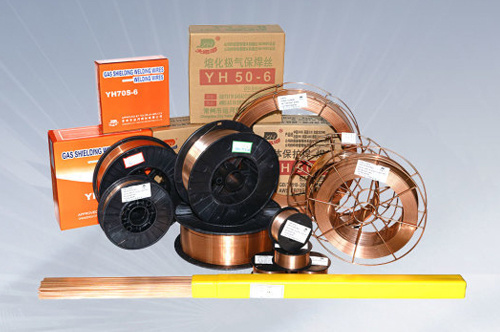
CO2 welding wire is a type of welding filler metal used primarily in gas metal arc welding (GMAW). This wire is typically made from a blend of materials designed for excellent electrical conductivity and mechanical properties. The gas used in combination with this wire is usually carbon dioxide, which acts as a shielding gas to protect the weld pool from contamination.
2. Types of CO2 Welding Wire
There are various types of CO2 welding wire available, each tailored for specific applications and materials.
2.1 Solid CO2 Welding Wire
Solid CO2 welding wire is the most commonly used type. It is known for its versatility and is suitable for welding metals such as carbon steel, stainless steel, and aluminum.
2.2 Flux-Cored CO2 Welding Wire
Flux-cored CO2 welding wire contains a core of flux, which facilitates easier welding and provides additional protection against oxidation. This type is particularly beneficial for outdoor applications where wind can disperse shielding gas.
2.3 Stainless Steel CO2 Welding Wire
Designed specifically for stainless steel applications, this wire offers excellent corrosion resistance and strength, making it ideal for the food, pharmaceutical, and marine industries.
3. Advantages of Using CO2 Welding Wire
Using CO2 welding wire comes with numerous advantages that enhance the welding process and the quality of the welds produced.
3.1 Cost-Effectiveness
CO2 welding wire is generally more affordable compared to other types of welding wires. This cost efficiency makes it an attractive option for both small-scale and large-scale welding projects.
3.2 High Welding Speed
Welding with CO2 wire allows for high deposition rates, which translates to faster welding speeds. This efficiency can improve productivity and reduce labor costs in manufacturing environments.
3.3 Versatile Applications
CO2 welding wire is suitable for a wide range of materials and applications, making it an indispensable tool for welders across various industries.
3.4 Stronger Welds
When used correctly, CO2 welding wire contributes to producing stronger and more durable welds. The shielding gas protects the weld pool, minimizing defects and ensuring a cleaner finish.
4. How CO2 Welding Wire Works in Welding Processes
Understanding the mechanics of CO2 welding wire is essential for achieving optimal results.
4.1 The Welding Process
During the MIG welding process, the CO2 welding wire is fed through a welding gun, where it is melted by an electric arc. The molten wire then fuses with the base materials, creating a strong bond as it cools and solidifies.
4.2 Shielding with CO2 Gas
The carbon dioxide gas released during the welding process acts as a shielding agent, protecting the weld pool from atmospheric contamination. This protection is crucial for maintaining the integrity of the weld.
4.3 Controlling the Heat Input
Welders can adjust the voltage and wire feed speed to control the heat input, ensuring the best possible penetration and minimizing the risk of burn-through or warping.
5. Applications of CO2 Welding Wire Across Industries
CO2 welding wire is extensively used in various industrial applications, including but not limited to:
5.1 Automotive Manufacturing
In the automotive industry, CO2 welding wire is utilized for welding chassis, frames, and body panels due to its strong welds and efficiency.
5.2 Construction
The construction sector employs CO2 welding wire in the fabrication of steel structures, bridges, and other heavy equipment, ensuring robust connections that can withstand significant loads.
5.3 Shipbuilding
Shipbuilding relies on CO2 welding wire for its ability to create durable joints that resist corrosion, making it ideal for marine applications.
5.4 Pipeline Construction
CO2 welding wire is frequently used in pipeline construction, particularly for welding carbon steel, where strong, leak-proof joints are critical.
6. Choosing the Right CO2 Welding Wire for Your Project
Selecting the correct type of CO2 welding wire involves several considerations, such as material type, weld joint configuration, and the specific requirements of the project.
6.1 Determine the Base Material
First, identify the base materials you will be welding. Different materials may require different types of CO2 welding wire for optimal results.
6.2 Consider the Joint Design
The joint design can influence the type of wire you choose. For instance, thicker sections may need a flux-cored wire for better penetration.
6.3 Evaluate Project Conditions
Consider the environmental conditions where the welding will take place. Outdoor projects may benefit from flux-cored wires that offer additional protection against the elements.
7. Best Practices for Using CO2 Welding Wire
To maximize the benefits of CO2 welding wire, follow these best practices:
7.1 Proper Setup
Ensure your welding machine is correctly set up according to the specifications for the CO2 wire you are using, including voltage, wire feed speed, and gas flow rate.
7.2 Maintain Cleanliness
Keep the surfaces to be welded clean and free from contaminants like oil, rust, or paint, which can compromise the quality of the weld.
7.3 Monitor Travel Speed
Maintaining a consistent travel speed while welding ensures uniform heat application and penetration, resulting in a strong weld.
7.4 Regular Equipment Maintenance
Regularly check and maintain your welding equipment, including the welding gun, wire feed mechanism, and gas supply, to prevent issues during the welding process.
8. Common Issues and Solutions When Using CO2 Welding Wire
While CO2 welding wire offers numerous advantages, users may encounter some common issues. Here are potential problems and their solutions:
8.1 Porosity
**Problem:** Porosity in the weld can occur due to contamination or insufficient shielding gas.
**Solution:** Ensure proper surface preparation and adequate gas flow to minimize contamination.
8.2 Incomplete Fusion
**Problem:** Incomplete fusion can arise from improper heat settings or incorrect travel speed.
**Solution:** Adjust the voltage and wire feed speed, and maintain a consistent travel speed for better penetration.
8.3 Excessive Spatter
**Problem:** Excessive spatter may indicate too high a voltage or incorrect wire feed speed.
**Solution:** Fine-tune the settings to achieve a clean weld with minimal spatter.
9. Conclusion
CO2 welding wire plays a vital role in achieving stronger welds across various industries. Its cost-effectiveness, versatility, and ability to produce high-quality welds make it an essential choice for welders. By understanding its properties and following best practices, you can significantly enhance your welding projects and achieve results that stand the test of time.
10. Frequently Asked Questions
1. What is the main advantage of using CO2 welding wire?
The primary advantage of CO2 welding wire is its ability to create strong, high-quality welds quickly and cost-effectively.
2. Can CO2 welding wire be used for all metals?
While CO2 welding wire is versatile, it is primarily used for carbon steels and some stainless steels. Always check compatibility with the base material before use.
3. What is the difference between solid and flux-cored CO2 welding wire?
Solid CO2 welding wire is a single metal wire, while flux-cored wire contains a core of flux that aids in the welding process, particularly in outdoor settings.
4. How do I prevent porosity in my welds?
To prevent porosity, ensure that the surfaces are clean, the shielding gas flow is adequate, and the environment is suitable for welding.
5. Is CO2 welding wire suitable for outdoor welding?
Yes, CO2 welding wire, particularly flux-cored types, is suitable for outdoor welding due to its ability to protect the weld pool from wind and contamination.


YUNHE WELDING MATERIAL

Share to


Information Subscription
Welcome to leave your message of interest, we will contact you soon
Yaoguan Town, Wujin District, Changzhou, Jiangsu, China
Copyright©2025 Changzhou City Yunhe Welding Material Co.,Ltd.