Welding Wire with International Approvals: Quality Standards for Reliable Welding Performance
Release time:
2026-11-25
In modern manufacturing and construction, welding quality plays an important role in the strength, safety, and service life of metal structures. Whether used in steel fabrication, shipbuilding, automotive production, or industrial equipment manufacturing, selecting the right welding consumables is essential for achieving stable welding results. For international buyers, Welding Wire with International Approvals is an important consideration when sourcing products for different markets and industrial applications.
Welding wire is available in various materials, diameters, and specifications to meet different welding requirements. However, product quality is not determined by appearance alone. Chemical composition, mechanical properties, manufacturing consistency, and compliance with relevant industry standards all influence welding performance. Understanding these factors helps distributors, contractors, and manufacturers make more informed purchasing decisions.
1. Why International Approvals Matter for Welding Wire
Different countries and industries may follow different welding standards and technical requirements. International approvals and certifications help buyers evaluate whether a welding wire meets the specifications required for particular applications.
Commonly referenced welding standards and classification systems include AWS, ISO, EN, and other regional or industry-specific requirements. For example, AWS classifications are widely used in the North American welding market, while ISO and EN standards are frequently referenced in international industrial projects.
Depending on the product type and intended application, buyers may need to review classification documents, test reports, material certificates, and approval records.
For welding wire suppliers, maintaining accurate technical documentation is an important part of serving international customers. It also helps purchasing teams compare products and confirm suitability before placing bulk orders.
2. Different Types of Welding Wire for Industrial Applications
Welding wire is designed for different welding processes and base materials. Selecting the appropriate type can improve deposition efficiency, weld appearance, and overall joint quality.
Common categories include:
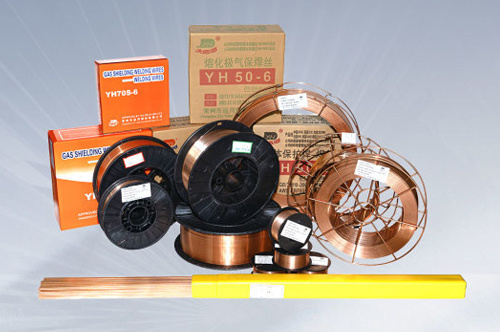
Solid Welding Wire
Solid welding wire is widely used in gas metal arc welding (GMAW), also known as MIG/MAG welding. It is commonly applied in automotive manufacturing, steel fabrication, machinery production, and general metalworking.
Flux Cored Welding Wire
Flux cored welding wire contains a flux-filled tubular structure and is suitable for various industrial welding environments. Depending on its classification, it can offer different deposition characteristics and welding performance.
Stainless Steel Welding Wire
Stainless steel welding wire is used for joining stainless steel components in food processing equipment, chemical facilities, pressure vessels, and other applications where corrosion resistance is important.
Submerged Arc Welding Wire
Submerged arc welding wire is commonly used in heavy fabrication, structural steel production, pipelines, and large industrial equipment. It is often selected for applications requiring high deposition rates and consistent weld quality.
Each type has specific chemical and mechanical requirements. Buyers should select products according to the base material, welding process, operating conditions, and relevant technical standards.
3. Key Factors That Affect Welding Wire Quality
When evaluating welding wire, several technical factors deserve attention.
First, chemical composition influences the mechanical properties and metallurgical behavior of the deposited weld metal. Elements such as carbon, manganese, silicon, chromium, and nickel may play important roles depending on the wire classification.
Second, wire diameter and dimensional consistency affect feeding stability and welding parameters. Common diameters vary according to the welding process and application, with options selected based on equipment and project requirements.
Third, surface condition and packaging are also important. Clean wire surfaces help reduce contamination risks, while suitable packaging protects products from moisture, oxidation, and damage during transportation and storage.
At the production level, raw material inspection, drawing process control, diameter measurement, surface inspection, and batch testing all contribute to consistent product quality.
4. Quality Control and Testing Before Delivery
Reliable welding wire production requires quality management throughout the manufacturing process. Rather than relying only on final inspection, manufacturers should establish control procedures at different production stages.
Typical quality control activities may include raw material chemical analysis, tensile strength testing, dimensional inspection, surface quality checks, and weld metal performance evaluation.
For products intended for international markets, documentation should match the actual product specifications and applicable approval requirements. Buyers may request mill test certificates, inspection reports, and relevant conformity documents depending on their project needs.
Consistent batch quality is particularly important for distributors and industrial users who need to maintain stable welding results across multiple production orders.
5. How to Choose the Right Welding Wire Supplier
Finding a suitable welding wire supplier involves more than comparing prices. Buyers should consider production capabilities, product specifications, quality management, documentation, and delivery reliability.
Before confirming an order, it is useful to check the following details:
Welding wire type and classification
Applicable AWS, ISO, or EN standards
Chemical composition and mechanical properties
Available wire diameters and packaging options
Relevant certificates and test reports
Minimum order quantity and production lead time
Export experience and transportation arrangements
For buyers supplying multiple industries or international markets, a supplier with a clear product range and reliable technical support can make sourcing and inventory management easier.
6. Packaging, Storage, and Transportation Considerations
Even high-quality welding wire needs proper packaging and storage to maintain its condition. Moisture exposure, contamination, and improper handling may affect wire feeding and welding performance.
Depending on the wire type, products may be supplied in spools, coils, drums, or other suitable packaging formats. Packaging specifications should consider wire diameter, order quantity, transportation distance, and customer requirements.
During storage, welding wire should generally be kept in a clean and dry environment. Buyers should also follow the manufacturer's recommendations for handling and storage, particularly for products with specific moisture-control requirements.
7. Meeting Global Welding Requirements with the Right Product
As international manufacturing and infrastructure projects continue to develop, demand for dependable welding consumables remains strong. From structural steel fabrication and machinery production to shipbuilding and pipeline construction, welding wire must match the technical requirements of each application.
Choosing Welding Wire with International Approvals helps buyers focus on product classification, quality documentation, and compliance with relevant industry standards. However, approval requirements can vary by product, application, and destination market, so it is always important to verify the exact documents and scope before purchasing.
For welding wire distributors, contractors, and industrial manufacturers, working with a supplier that understands international standards and maintains consistent production quality can support more efficient procurement and reliable project execution.


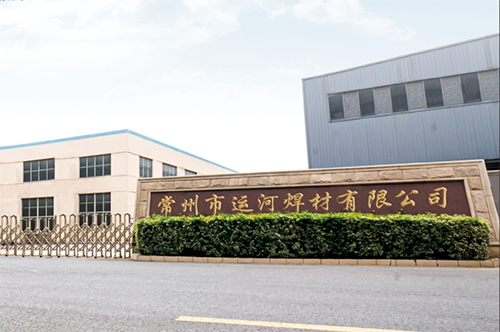
YUNHE WELDING MATERIAL

Share to


Information Subscription
Welcome to leave your message of interest, we will contact you soon
Yaoguan Town, Wujin District, Changzhou, Jiangsu, China
Copyright©2025 Changzhou City Yunhe Welding Material Co.,Ltd.