

Understanding Stainless Steel Welding Wire: A Key Component in Metalworking
Release time:
2026-03-16
Stainless steel welding wire is a crucial component used in various metalworking applications, particularly within the metallurgy and energy industries. As an essential consumable in the welding process, it plays a vital role in ensuring structural integrity and durability in welded components. Understanding the properties and applications of stainless steel welding wire can greatly benefit those
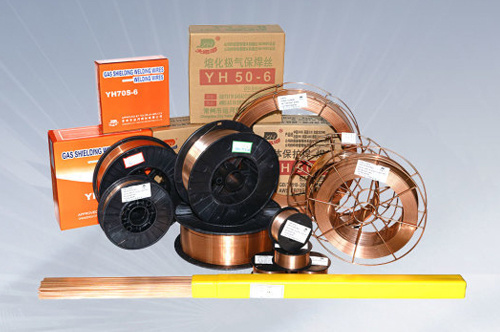
Stainless steel welding wire is primarily used to join stainless steel components by providing a filler material during the welding process. The wire is available in various types, including solid, flux-cored, and metal-cored wires. Each type has its specific applications and advantages, making it important to select the right wire for a given project. Solid stainless steel welding wire is commonly used in gas metal arc welding (GMAW) processes, while flux-cored wire provides additional shielding gases that enhance performance in outdoor conditions.
One of the key benefits of using stainless steel welding wire is its resistance to corrosion and oxidation. Stainless steel contains chromium, which forms a protective layer on the surface, preventing rust and extending the lifespan of the welded joint. This characteristic makes stainless steel welding wire an ideal choice for applications in harsh environments, such as marine, chemical processing, and food manufacturing sectors.
Moreover, stainless steel welding wire offers excellent mechanical properties, contributing to the strength and toughness of welded joints. When choosing a welding wire, it is crucial to consider its composition, as different grades of stainless steel—like 304, 316, and 309—offer distinct properties suited for various applications. Understanding these grades helps professionals select the appropriate wire that aligns with project requirements and desired outcomes.
The proper storage and handling of stainless steel welding wire are also essential to maintaining its quality. The wire should be kept in a dry environment, free from contaminants that could affect its performance during welding. Additionally, using the correct welding techniques, such as controlling the welding speed and heat input, can further enhance the quality of the welded joint.
In conclusion, stainless steel welding wire is an indispensable tool in the metallurgy and energy industries. Its unique properties, such as corrosion resistance, strength, and versatility, make it a preferred choice for various welding applications. By understanding the types, benefits, and best practices associated with stainless steel welding wire, professionals can ensure successful outcomes in their metalworking endeavors.


YUNHE WELDING MATERIAL

Share to


Information Subscription
Welcome to leave your message of interest, we will contact you soon
Yaoguan Town, Wujin District, Changzhou, Jiangsu, China
Copyright©2025 Changzhou City Yunhe Welding Material Co.,Ltd.