

Understanding CO2 Welding Wire: Key Insights and Applications
Release time:
2025-12-10
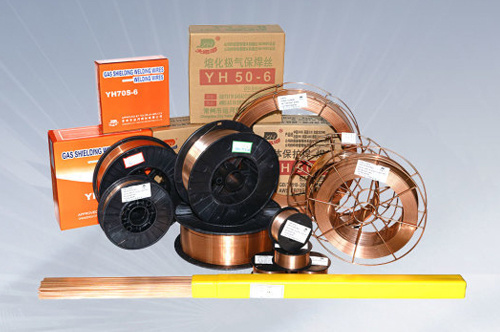
CO2 welding wire, often referred to as gas metal arc welding (GMAW) wire, plays a crucial role in the welding industry, particularly in processes that require high efficiency and quality. This type of welding wire is typically used with a shielding gas, which, in most cases, is carbon dioxide (CO2). The combination of the wire and gas provides excellent weld quality and penetration, making it idea
One of the primary advantages of CO2 welding wire is its versatility. It is suitable for welding a range of metals, including mild steel, stainless steel, and even aluminum when using the appropriate filler material. This adaptability makes it a preferred choice for both industrial applications and smaller-scale projects. The wire's ability to produce strong and durable welds also contributes to its widespread use in fabricating structures, manufacturing components, and repairing machinery.
When selecting CO2 welding wire, several factors come into play. It's essential to consider the wire diameter, which can vary from 0.8 mm to 1.6 mm or more, depending on the application and thickness of the materials being welded. The choice of wire diameter affects the weld's bead shape, penetration, and overall strength. Additionally, understanding the specific type of CO2 welding wire—whether it's solid wire or flux-cored wire—can significantly influence the welding process and final outcomes.
Moreover, the shielding gas used in conjunction with CO2 welding wire plays a vital role in protecting the weld pool from atmospheric contamination. Pure CO2 is commonly used due to its cost-effectiveness, but some welders may opt for a mix of argon and CO2 for improved arc stability and reduced spatter. This decision can impact the quality of the weld, so it's crucial to assess the specific requirements of your project.
Beyond the technical specifications, it's also important to consider safety measures when using CO2 welding wire. Proper ventilation, personal protective equipment (PPE), and adherence to safety protocols are essential to ensure a safe working environment. Understanding the potential hazards associated with welding processes can help mitigate risks and promote a culture of safety in the workplace.
In summary, CO2 welding wire is an integral component in modern welding practices, offering versatility and efficiency. By understanding its applications, characteristics, and safety considerations, you can make informed decisions that will enhance your welding projects. Whether you're a seasoned welder or just starting, knowledge about CO2 welding wire will certainly contribute to your success in the field.


YUNHE WELDING MATERIAL

Share to


Information Subscription
Welcome to leave your message of interest, we will contact you soon
Yaoguan Town, Wujin District, Changzhou, Jiangsu, China
Copyright©2025 Changzhou City Yunhe Welding Material Co.,Ltd.