

The Essential Guide to Carbon Steel Welding Wire: Choosing the Right Material for Your Projects
Release time:
2025-12-08
Carbon steel welding wire is a fundamental component in various welding applications, particularly in the manufacturing and construction industries. This type of welding wire is known for its durability, strength, and versatility, making it a popular choice for welders aiming for high-quality results. In this guide, we will explore the key characteristics of carbon steel welding wire, its applicat
One of the standout features of carbon steel welding wire is its excellent tensile strength, which allows it to withstand heavy loads and stresses. This makes it particularly suitable for welding thick materials and structural components. Additionally, carbon steel welding wire offers good penetration and minimal distortion, which helps in achieving clean and strong welds. Its ability to produce high-quality welds is one reason why it is favored in industries such as automotive, construction, and manufacturing.
When selecting carbon steel welding wire, it's essential to consider the type of welding process you will be using. Common processes include MIG (Metal Inert Gas) and TIG (Tungsten Inert Gas) welding. Each method has its own requirements for wire type and diameter. For instance, MIG welding typically uses a thicker wire, while TIG welding often employs a finer wire for precision work.
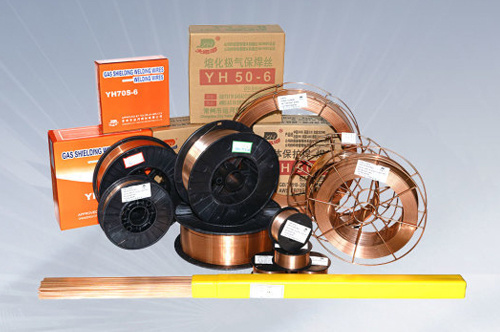
Another important factor is the wire's coating. Carbon steel welding wire comes in various forms, including bare wire and coated wire. Coated wires, such as those with a flux core, provide additional protection from oxidation and contamination during the welding process. This feature is particularly beneficial in outdoor or windy conditions, where exposure to elements can compromise weld quality.
It’s also crucial to consider the specific alloying elements in the carbon steel welding wire. Different compositions can influence the mechanical properties of the weld, such as toughness, hardness, and corrosion resistance. For example, wires with higher carbon content may yield stronger welds but can also become more brittle if not handled properly.
In conclusion, carbon steel welding wire is an invaluable resource in the welding industry, offering a combination of strength, versatility, and ease of use. By understanding its key characteristics and how to choose the right type for your welding needs, you can enhance the quality of your projects and ensure successful outcomes. Whether you're working on large structural frameworks or intricate metal sculptures, selecting the appropriate carbon steel welding wire will play a critical role in your welding success.


YUNHE WELDING MATERIAL

Share to


Information Subscription
Welcome to leave your message of interest, we will contact you soon
Yaoguan Town, Wujin District, Changzhou, Jiangsu, China
Copyright©2025 Changzhou City Yunhe Welding Material Co.,Ltd.