

Understanding Stainless Steel Welding Wire: Essential Insights for Professionals
Release time:
2025-12-06
Stainless steel welding wire is a vital component in various welding processes, particularly in industries that demand high strength and corrosion resistance. This material is characterized by its ability to maintain structural integrity and resist oxidation, making it an ideal choice for welding stainless steel components. Understanding the properties, types, and applications of stainless steel w
One of the primary advantages of stainless steel welding wire is its excellent corrosion resistance, which is essential for applications in harsh environments, such as marine, chemical processing, and oil and gas industries. By using the right type of stainless steel welding wire, professionals can ensure that their welded joints will withstand the test of time and environmental conditions.
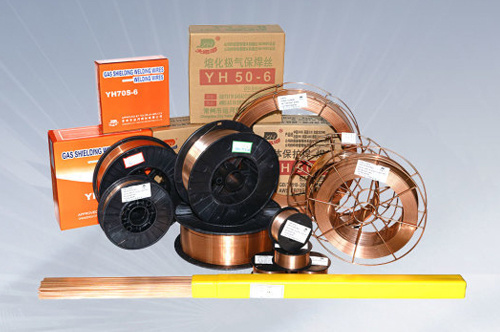
There are several types of stainless steel welding wire available, each designed for specific welding processes such as MIG (Metal Inert Gas), TIG (Tungsten Inert Gas), and submerged arc welding. For instance, ER308L is commonly used for welding austenitic stainless steels, while ER316L is preferred for applications requiring improved corrosion resistance. Selecting the appropriate wire type based on the base materials and intended environment is crucial for achieving optimal results.
In addition to type selection, it is essential to consider the diameter of the welding wire. A range of diameters is available, and the choice often depends on the welding technique and the thickness of the materials being joined. Thicker materials may require larger diameter wires, while thinner materials generally work better with smaller diameters. This consideration ensures better penetration and fusion of the weld, which is critical for maintaining strength.
Welding techniques and settings also play a significant role in the success of a project. Proper voltage, amperage, and travel speed must be adjusted to suit the chosen stainless steel welding wire. Moreover, pre-welding preparations, such as cleaning the base materials and ensuring proper fit-up, can greatly influence the quality of the weld.
In conclusion, stainless steel welding wire is an essential material for professionals in metallurgy and energy sectors. By understanding the various types, applications, and best practices associated with stainless steel welding wire, you can enhance your welding projects' efficiency and quality. Whether you are involved in manufacturing, construction, or maintenance, knowledge of this material will enable you to make informed decisions and achieve superior results in your welding endeavors.


YUNHE WELDING MATERIAL

Share to


Information Subscription
Welcome to leave your message of interest, we will contact you soon
Yaoguan Town, Wujin District, Changzhou, Jiangsu, China
Copyright©2025 Changzhou City Yunhe Welding Material Co.,Ltd.