

Understanding Gas Shielded Welding Wire: Essential Insights for Professionals
Release time:
2025-12-04
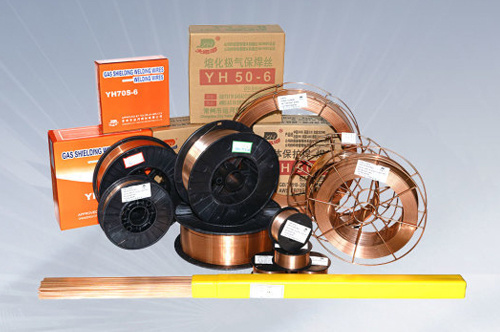
Gas shielded welding wire plays a pivotal role in the welding industry, particularly for those involved in electric welding and cutting materials. This type of welding wire is designed to provide enhanced protection against atmospheric contamination during the welding process, which can significantly influence the quality and durability of the weld. One of the primary benefits of using gas shielde
One of the primary benefits of using gas shielded welding wire is its ability to produce high-quality welds with minimal defects. The shielding gas, typically argon or a mixture of argon and carbon dioxide, envelops the molten weld pool, preventing oxidation and contamination from the surrounding atmosphere. This results in stronger and cleaner welds, which are vital in various applications, including automotive, construction, and manufacturing.
When selecting gas shielded welding wire, it's essential to consider the type of material you'll be welding. There are different formulations tailored for specific metals, such as stainless steel, mild steel, and aluminum. Each type of wire has unique characteristics that cater to the requirements of different welding processes, such as Gas Metal Arc Welding (GMAW) or Metal Inert Gas (MIG) welding.
In addition to material compatibility, professionals should also pay attention to the diameter of the welding wire. The diameter can affect the welding speed and penetration depth. Thicker wires may be suitable for thicker materials, whereas thinner wires are often used for more delicate applications. By choosing the right diameter, welders can optimize the efficiency and effectiveness of their welding tasks.
Another critical factor is the welding position. Gas shielded welding wire can be utilized in various positions—flat, horizontal, vertical, and overhead. Understanding how different positions affect the weld quality will help professionals achieve better results and minimize rework.
It's also worth noting that proper storage and handling of gas shielded welding wire are crucial to maintaining its performance. Exposure to moisture or contaminants can affect the wire's integrity and ultimately the quality of the weld. Keeping the wire in a dry, clean environment will ensure optimal performance during use.
In conclusion, gas shielded welding wire is an invaluable resource in the welding industry. By understanding its applications, material compatibility, diameter options, and handling requirements, professionals can enhance their welding practices and achieve superior results. Whether you're working on a large-scale project or a smaller repair job, investing time in selecting the right welding wire can make a significant difference in the final outcome.


YUNHE WELDING MATERIAL

Share to


Information Subscription
Welcome to leave your message of interest, we will contact you soon
Yaoguan Town, Wujin District, Changzhou, Jiangsu, China
Copyright©2025 Changzhou City Yunhe Welding Material Co.,Ltd.