


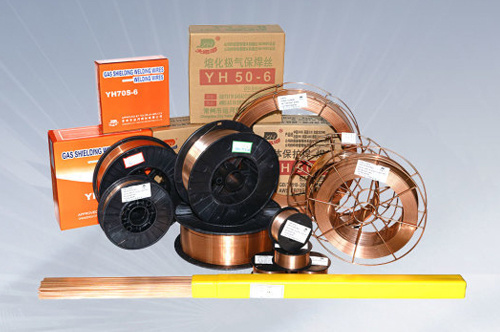
Why Gas Shielded Welding Wire is Essential for Quality Welds
Release time:
2025-11-29
Why Gas Shielded Welding Wire is Essential for Quality Welds Table of Contents Introduction to Gas Shielded Welding Wire Understanding Welding Processes and Techniques The Importance of Gas Shielded Welding Wire Benefits of Using Gas Shielded Welding Wire Types of Gas Shielded Welding Wire Industries Benefiting from Gas Shielded Welding Wire Best Practices for Gas Sh
Why Gas Shielded Welding Wire is Essential for Quality Welds
Table of Contents
- Introduction to Gas Shielded Welding Wire
- Understanding Welding Processes and Techniques
- The Importance of Gas Shielded Welding Wire
- Benefits of Using Gas Shielded Welding Wire
- Types of Gas Shielded Welding Wire
- Industries Benefiting from Gas Shielded Welding Wire
- Best Practices for Gas Shielded Welding
- Common Mistakes to Avoid in Gas Shielded Welding
- Frequently Asked Questions
- Conclusion
Introduction to Gas Shielded Welding Wire
In today's industrial landscape, the demand for high-quality welds has never been more critical. Gas shielded welding wire stands out as an essential component in the welding process, significantly impacting the durability and strength of the welds produced. This article aims to delve into the many facets of gas shielded welding wire, explaining its necessity, benefits, and applications.
Understanding Welding Processes and Techniques
Welding is a fabrication process that involves joining materials, typically metals or thermoplastics, through the application of heat. There are numerous welding techniques, including MIG (Metal Inert Gas), TIG (Tungsten Inert Gas), and stick welding. Each method employs different materials and equipment, but they all share a common goal—producing a strong, reliable bond.
Types of Welding Techniques
1. **MIG Welding**: Uses a continuous wire feed as the electrode and an inert gas for shielding. Ideal for thin materials and high-speed production.
2. **TIG Welding**: Utilizes a non-consumable tungsten electrode and a separate filler material. This technique is highly precise and suitable for both thin and thick materials.
3. **Stick Welding**: Involves a consumable electrode coated in flux. It's versatile and widely used in construction and repair works.
The Importance of Gas Shielded Welding Wire
Gas shielded welding wire is crucial for ensuring clean, high-quality welds. The gas shield serves multiple purposes: it protects the weld pool from atmospheric contamination, stabilizes the arc, and minimizes oxidation.
Why Quality Matters in Welding
Quality welds are fundamental to the integrity of structures and components. Poorly executed welds can lead to failures, posing safety risks and incurring substantial repair costs. Gas shielded welding wire acts as a safeguard, enhancing the overall welding quality.
Benefits of Using Gas Shielded Welding Wire
The advantages of utilizing gas shielded welding wire are numerous and impactful:
1. Enhanced Weld Quality
Gas shielded welding wire produces cleaner welds with fewer defects. The shielding gas effectively protects the molten metal from contaminants, resulting in stronger bonds.
2. Increased Productivity
The continuous wire feed in gas shielded welding allows for faster welding speeds. This efficiency can significantly reduce labor costs and project timelines.
3. Versatility
Gas shielded welding wire is suitable for a wide range of materials and thicknesses, making it ideal for various applications across multiple industries.
4. Reduced Cleanup and Rework
Welds made with gas shielded wire require less cleanup and rework due to their higher quality. This reduction in secondary processes translates to cost savings and improved productivity.
5. Improved Mechanical Properties
Welds produced with gas shielded welding wire typically exhibit superior mechanical properties, such as tensile strength and ductility, which are crucial for structural applications.
Types of Gas Shielded Welding Wire
Gas shielded welding wire is available in various forms, each designed for specific applications:
1. Solid Wire
Solid wire is the most common type used in MIG welding. It is straightforward to use and provides excellent weld quality.
2. Flux-Cored Wire
Flux-cored wire is designed for use in less-than-ideal conditions, such as outdoors or in drafty environments. It contains a flux core that releases shielding gas when heated, offering protection without requiring an external gas supply.
3. Metal-Cored Wire
Metal-cored wire combines the benefits of solid wire and flux-cored wire. It provides better deposition rates and is ideal for high-speed applications.
Industries Benefiting from Gas Shielded Welding Wire
Numerous industries rely on gas shielded welding wire to ensure the quality and durability of their products:
1. Construction
In the construction sector, gas shielded welding wire is essential for building strong frameworks, ensuring safety and longevity.
2. Automotive
The automotive industry utilizes gas shielded welding wire for various applications, from chassis fabrication to body repair.
3. Manufacturing
Manufacturers depend on gas shielded welding for creating robust machinery and equipment, enhancing productivity and reliability.
4. Shipbuilding
Gas shielded welding wire plays a crucial role in shipbuilding, where weld integrity is paramount due to the harsh marine environment.
5. Aerospace
In the aerospace sector, the precision and quality of welds directly affect safety and performance, making gas shielded welding wire indispensable.
Best Practices for Gas Shielded Welding
To achieve optimal results with gas shielded welding wire, adhere to the following best practices:
1. Proper Gas Selection
Choose the appropriate shielding gas based on the material and welding process. Common choices include argon, carbon dioxide, and a mixture of both.
2. Correct Wire Feed Speed
Adjust the wire feed speed according to the thickness and type of material being welded. Inadequate speed can lead to poor penetration, while excessive speed may cause burn-through.
3. Maintain Clean Surfaces
Ensure that the surfaces to be welded are free of contaminants such as oil, rust, and dirt. Clean surfaces promote better adhesion and reduce the risk of defects.
4. Monitor Welding Parameters
Regularly check parameters such as voltage, amperage, and travel speed to maintain consistency and quality throughout the welding process.
5. Safety Precautions
Always prioritize safety by wearing appropriate protective gear and ensuring proper ventilation in the workspace.
Common Mistakes to Avoid in Gas Shielded Welding
Even seasoned welders can fall into common traps that compromise weld quality. Be aware of these mistakes:
1. Inconsistent Technique
Inconsistent welding techniques can lead to uneven welds. Practice a steady hand and maintain consistent speed and angle.
2. Ignoring Equipment Maintenance
Failing to regularly maintain welding equipment can result in performance issues. Schedule routine checks and cleanings for optimal functionality.
3. Overlooking Joint Preparation
Neglecting joint preparation can lead to poor weld quality. Ensure that joint designs meet the specifications and are adequately prepared for welding.
4. Incorrect Voltage and Amperage Settings
Using incorrect settings can lead to burn-through or insufficient penetration. Familiarize yourself with the correct settings for various materials and thicknesses.
5. Lack of Training
Welding is a skill that requires training and practice. Invest in proper training and stay updated on the latest techniques and technologies.
Frequently Asked Questions
1. What is gas shielded welding wire?
Gas shielded welding wire is a type of filler material used in welding processes that utilizes shielding gas to protect the weld area from contaminants, ensuring high-quality welds.
2. How does gas shielding work?
Gas shielding works by creating a protective atmosphere around the weld pool, preventing atmospheric gases from interfering with the molten metal, which can lead to oxidation and defects.
3. What are the different types of shielding gases used?
Common shielding gases include argon, carbon dioxide, and helium, each offering unique benefits depending on the specific application and welding process.
4. Can gas shielded welding wire be used for all materials?
While gas shielded welding wire is versatile, its suitability varies by material type and thickness. Always check compatibility before use.
5. What safety precautions should be taken when welding?
Welders should wear protective gear, ensure proper ventilation, and follow safety protocols to minimize risks associated with welding fumes and sparks.
Conclusion
Gas shielded welding wire is an integral component of modern welding processes, providing exceptional quality and reliability across various industries. By understanding its importance, benefits, and best practices, you can enhance your welding projects and ensure superior results. Investing in high-quality gas shielded welding wire not only improves weld integrity but also contributes to the overall success of your welding endeavors. Embrace the advantages of gas shielded welding wire and watch as your welding quality reaches new heights.


YUNHE WELDING MATERIAL

Share to


Information Subscription
Welcome to leave your message of interest, we will contact you soon
Yaoguan Town, Wujin District, Changzhou, Jiangsu, China
Copyright©2025 Changzhou City Yunhe Welding Material Co.,Ltd.