

Understanding Carbon Steel Welding Wire: Key Insights for Professionals
Release time:
2025-11-28
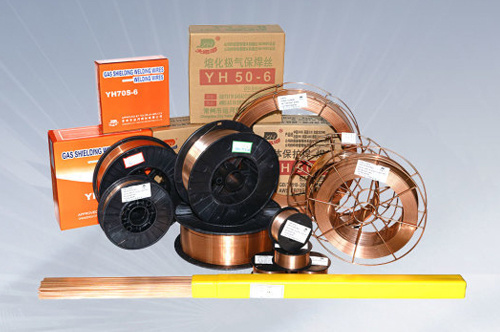
Carbon steel welding wire is a crucial component in the welding industry, particularly for those involved in electrical and mechanical applications. Comprising primarily iron and carbon, this type of welding wire is known for its excellent strength and versatility. The significance of carbon steel welding wire stems from its ability to deliver strong, durable welds that can withstand various envir
One of the primary advantages of carbon steel welding wire is its mechanical properties. With the right carbon content, this wire can achieve high tensile strength, making it suitable for construction and structural applications. The welds created using carbon steel welding wire exhibit exceptional toughness and ductility, which are critical for ensuring the longevity and reliability of welded joints.
The applications of carbon steel welding wire are vast. It is commonly used in the fabrication of automotive frames, machinery, and pipelines, among other structures. Additionally, carbon steel welding wire is often employed in industries such as construction, shipbuilding, and manufacturing. When selecting a welding wire, it is essential to consider the specific requirements of the application, including the type of materials being joined and the desired mechanical properties of the finished weld.
Welding techniques play a vital role in the successful use of carbon steel welding wire. Common methods include Gas Metal Arc Welding (GMAW), Shielded Metal Arc Welding (SMAW), and Flux-Cored Arc Welding (FCAW). Each technique has its advantages and is suited for different situations. For instance, GMAW is favored for its speed and efficiency, while SMAW is often chosen for its versatility and effectiveness in outdoor environments.
Another important aspect to consider is the maintenance of welding equipment. Proper care and handling of welding machinery can significantly affect the quality of the welds produced. Regular inspection and replacement of worn parts ensure that the welding process remains efficient and safe.
Safety precautions are also paramount when working with carbon steel welding wire. Utilizing appropriate personal protective equipment (PPE) such as gloves, helmets, and protective clothing can prevent injuries associated with welding operations. Furthermore, ensuring proper ventilation reduces the risks of inhaling harmful fumes generated during the welding process.
In summary, understanding carbon steel welding wire is essential for professionals in the welding industry. Its strength, versatility, and various applications make it a go-to option for many welding projects. By mastering the techniques associated with carbon steel welding wire and adhering to safety practices, professionals can enhance their welding capabilities and achieve superior results in their work.


YUNHE WELDING MATERIAL

Share to


Information Subscription
Welcome to leave your message of interest, we will contact you soon
Yaoguan Town, Wujin District, Changzhou, Jiangsu, China
Copyright©2025 Changzhou City Yunhe Welding Material Co.,Ltd.