

Exploring the Benefits and Applications of Stainless Steel Welding Wire
Release time:
2025-11-26
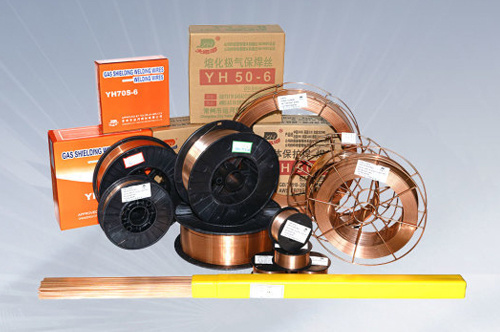
--- Stainless steel welding wire is a crucial element in various industrial applications due to its unique properties and versatility. As an integral part of the welding process, this material is designed to enhance the strength and durability of welded joints, making it a preferred choice in industries like metallurgy and energy. One of the primary benefits of stainless steel welding wire is its
Stainless steel welding wire is a crucial element in various industrial applications due to its unique properties and versatility. As an integral part of the welding process, this material is designed to enhance the strength and durability of welded joints, making it a preferred choice in industries like metallurgy and energy.
One of the primary benefits of stainless steel welding wire is its exceptional resistance to corrosion. This is particularly important in environments that are exposed to moisture, chemicals, or extreme temperatures. The presence of chromium in stainless steel provides a protective layer that prevents oxidation and degradation, ensuring that the welds remain intact for a longer period. This characteristic is especially valued in the construction of pipelines, tanks, and machinery that operate in harsh conditions.
Another significant advantage of stainless steel welding wire is its ability to maintain high tensile strength. When welded, stainless steel offers excellent structural integrity, making it suitable for applications where strength is paramount. This is particularly true in the energy sector, where components must withstand high pressures and temperatures without compromising safety or performance. The welding wire’s ability to create strong joints contributes to the overall reliability of the equipment.
In addition to its mechanical properties, stainless steel welding wire is available in various grades and sizes, allowing for customization according to specific project requirements. This adaptability makes it suitable for a wide range of applications, from intricate fabrication tasks to large-scale industrial projects. Whether you are working on automotive parts, architectural elements, or heavy machinery, there is a stainless steel welding wire that meets your needs.
The welding process itself can vary based on the type of stainless steel welding wire used. Common methods include Gas Tungsten Arc Welding (GTAW), Gas Metal Arc Welding (GMAW), and Flux-Cored Arc Welding (FCAW). Each technique has its advantages, and the choice often depends on factors such as the material thickness, joint design, and desired finish. Understanding these processes can help you select the appropriate stainless steel welding wire for your project.
Moreover, safety considerations are paramount when working with welding materials. Proper training and adherence to safety protocols can significantly reduce the risks associated with welding operations. Personal protective equipment (PPE) such as gloves, helmets, and protective clothing should always be used to safeguard against potential hazards.
In conclusion, stainless steel welding wire is a vital component in many industrial applications, providing strength, durability, and resistance to corrosion. Its flexibility in usage and availability in various grades make it an essential resource for professionals in metallurgy and energy sectors. By understanding its benefits and applications, you can make informed decisions that enhance the quality and longevity of your welded projects.


YUNHE WELDING MATERIAL

Share to


Information Subscription
Welcome to leave your message of interest, we will contact you soon
Yaoguan Town, Wujin District, Changzhou, Jiangsu, China
Copyright©2025 Changzhou City Yunhe Welding Material Co.,Ltd.