

Understanding the Benefits and Applications of Gas Shielded Welding Wire
Release time:
2026-03-02
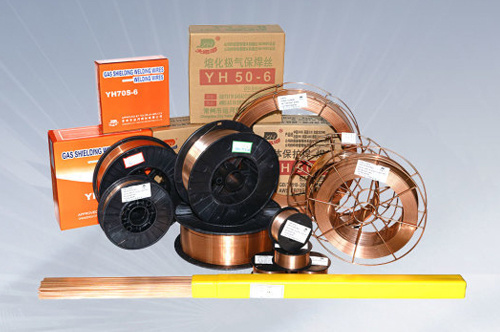
Gas shielded welding wire is a type of filler material used in welding processes that require a protective gas shield to prevent oxidation and contamination. This method is particularly valuable in environments where high-quality welds are essential, such as in construction, manufacturing, and repair industries. The gas shield protects the molten metal from atmospheric elements during the welding
One of the primary advantages of using gas shielded welding wire is its ability to produce clean and high-quality welds. The shielding gas, typically argon or a mixture of argon and carbon dioxide, prevents impurities from interacting with the weld pool. This results in a smoother surface finish and reduces the risk of defects such as porosity or inclusions, which can compromise the integrity of the weld.
Moreover, the use of gas shielded welding wire allows for versatility in welding applications. It can be employed in multiple welding processes, including MIG (Metal Inert Gas) and TIG (Tungsten Inert Gas) welding. Each of these processes has its unique benefits, with MIG welding being particularly suitable for production environments due to its speed, while TIG welding offers precise control for intricate work.
Another key aspect to consider is the compatibility of gas shielded welding wire with various base materials. It can be effectively used with materials such as stainless steel, mild steel, and aluminum, making it an essential tool for welders who work on diverse projects. Understanding the compatibility of different wire types with specific materials ensures optimal performance and welding quality.
It is also important for professionals to be aware of the settings and equipment required when using gas shielded welding wire. Factors such as voltage, wire feed speed, and gas flow rate must be carefully calibrated to achieve the best results. Proper training and knowledge of these parameters can significantly enhance the efficiency and effectiveness of the welding process.
In summary, gas shielded welding wire is an indispensable resource in the welding field, offering numerous benefits such as improved weld quality, versatility, and compatibility with various materials. For professionals in the electrical and welding industries, understanding these aspects not only enhances their skill set but also contributes to the overall success of their projects. Embracing the advantages of gas shielded welding wire can lead to higher productivity and satisfaction in welding applications.


YUNHE WELDING MATERIAL

Share to


Information Subscription
Welcome to leave your message of interest, we will contact you soon
Yaoguan Town, Wujin District, Changzhou, Jiangsu, China
Copyright©2025 Changzhou City Yunhe Welding Material Co.,Ltd.