

Understanding CO2 Welding Wire: Key Insights for Effective Welding
Release time:
2026-02-02
CO2 welding wire, commonly referred to as carbon dioxide welding wire, is an essential component in the field of welding and cutting. This type of welding wire is primarily used in conjunction with gas metal arc welding (GMAW) or MIG welding processes. One of the most notable features of CO2 welding wire is its ability to provide a stable arc and good penetration, making it a popular choice among
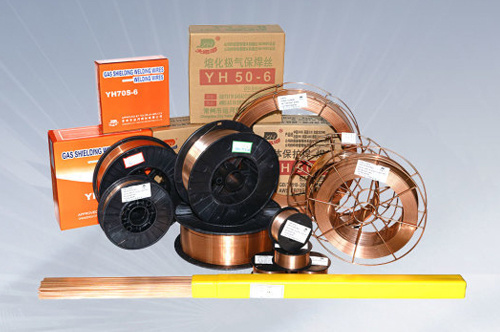
The core material of CO2 welding wire is typically made from a low alloy steel that offers excellent mechanical properties. This wire is often coated with a layer of copper to enhance its conductivity and reduce the likelihood of oxidation during the welding process. The use of CO2 as a shielding gas during welding helps to protect the molten weld pool from atmospheric contamination, which can lead to defects in the weld.
When selecting CO2 welding wire, it’s important to consider the wire diameter, as it can significantly affect the welding parameters and the overall quality of the weld. Common diameters range from 0.6 mm to 1.2 mm, with each size suited for specific applications and materials. Thicker wires can carry higher current levels, enabling deeper penetration and faster welding speeds, while thinner wires provide better control and are ideal for thinner materials.
In addition to diameter, the chemical composition of the CO2 welding wire also plays a crucial role in determining the mechanical properties of the finished weld. Different alloying elements, such as manganese, silicon, and chromium, can enhance attributes such as strength, toughness, and corrosion resistance. Understanding these properties can help you choose the right wire for your specific welding needs.
CO2 welding wire is widely used in various industries, including automotive, construction, and manufacturing, due to its versatility and effectiveness. Welders often favor this wire for its ability to produce high-quality welds on different materials, such as mild steel and low-alloy steel. The ease of use and the relatively low cost of CO2 welding wire further contribute to its popularity.
In conclusion, CO2 welding wire is a vital component in the welding industry, offering numerous advantages that can enhance your welding projects. By understanding the properties, applications, and technical specifications of this welding wire, you can make informed decisions that lead to better results in your welding endeavors. Whether you are working on large-scale projects or small repairs, the right CO2 welding wire can make a significant difference in the quality of your welds.


YUNHE WELDING MATERIAL

Share to


Information Subscription
Welcome to leave your message of interest, we will contact you soon
Yaoguan Town, Wujin District, Changzhou, Jiangsu, China
Copyright©2025 Changzhou City Yunhe Welding Material Co.,Ltd.