

Understanding Carbon Steel Welding Wire: A Comprehensive Guide for Electricians
Release time:
2026-01-19
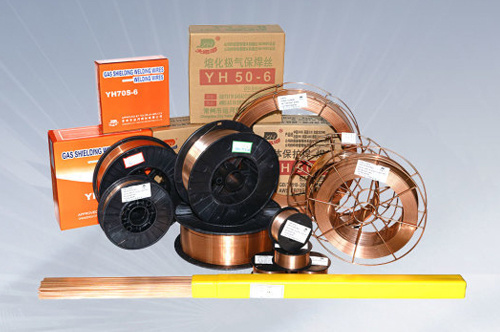
Carbon steel welding wire is a vital component in the welding industry, particularly for electricians and those involved in metal fabrication. This type of wire is primarily composed of carbon steel, which is an alloy of iron and carbon, providing a balance of strength, ductility, and weldability. The nominal carbon content can vary, affecting the wire's characteristics and suitability for differe
One of the key advantages of carbon steel welding wire is its excellent mechanical properties. The wire typically offers high tensile strength and good toughness, making it ideal for welding structural components that require durability and resilience. This is especially important in electric applications where safety and reliability are paramount.
When selecting carbon steel welding wire, it's essential to consider the specific requirements of your project. Factors such as the type of welding process (MIG, TIG, or Flux-Cored), the materials being welded, and the desired weld characteristics can all influence your choice. For instance, MIG welding often utilizes solid carbon steel wires, while flux-cored wires are advantageous in outdoor or windy conditions, offering better protection against contaminants.
Another important aspect is the wire's diameter, which can also vary based on the welding technique and the thickness of the materials being joined. Thicker wires are typically used for heavier materials, while finer wires are preferred for delicate work. Additionally, the wire's coating and shielding gas may need to be considered, as these elements can affect the quality of the weld and the overall process.
In terms of applications, carbon steel welding wire is widely used in various industries, including construction, automotive, and manufacturing. It is particularly favored for creating robust joints in structural steel, pipelines, and machinery components. Furthermore, its versatility makes it suitable for both indoor and outdoor welding projects.
Maintenance and storage of carbon steel welding wire are also crucial in ensuring optimal performance. It's important to keep the wire dry and free from contaminants, as moisture and dirt can adversely affect the welding process and final weld quality. Proper storage conditions can extend the wire's longevity and effectiveness.
In conclusion, carbon steel welding wire plays a crucial role in the welding industry, particularly for electrical applications. Its mechanical properties, versatility, and suitability for various welding techniques make it an essential material for electricians and welders alike. By understanding the nuances of carbon steel welding wire, professionals can make informed choices that enhance their welding practices and achieve superior results in their projects.


YUNHE WELDING MATERIAL

Share to


Information Subscription
Welcome to leave your message of interest, we will contact you soon
Yaoguan Town, Wujin District, Changzhou, Jiangsu, China
Copyright©2025 Changzhou City Yunhe Welding Material Co.,Ltd.