

Understanding Stainless Steel Welding Wire: Key Insights for Professionals
Release time:
2026-01-05
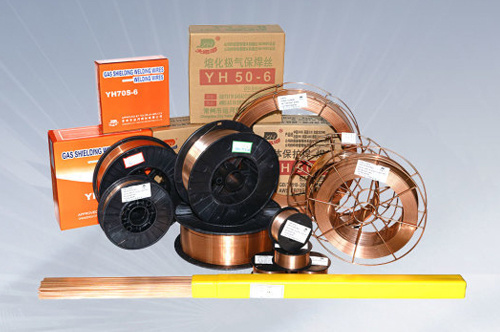
Stainless steel welding wire is a critical component in various industrial applications, especially in the metallurgy, mining, and energy sectors. This type of welding wire is specifically designed for joining stainless steel components and is crucial for ensuring the durability and integrity of welded joints. When selecting stainless steel welding wire, it is essential to understand its compositi
One of the primary characteristics of stainless steel welding wire is its resistance to corrosion. This makes it ideal for use in environments that are exposed to moisture, chemicals, and extreme temperatures. The wire typically contains chromium, nickel, and sometimes molybdenum, which contribute to its corrosion-resistant properties. Different grades of stainless steel welding wire are available, each tailored for specific applications. For instance, 308L is commonly used for welding stainless steel to itself, while 316L is preferred for environments with higher corrosion risks.
Another important factor to consider is the wire diameter. Stainless steel welding wire comes in various diameters, ranging from 0.023 inches to 0.045 inches. The choice of diameter can affect the welding process and the quality of the finished weld. Thinner wires are generally easier to control and are suitable for thinner materials, while thicker wires are better for larger welds and heavier materials.
The type of welding process employed also plays a significant role in the choice of stainless steel welding wire. Common welding methods include Gas Metal Arc Welding (GMAW), Gas Tungsten Arc Welding (GTAW), and flux-cored arc welding (FCAW). Each method requires specific wire types and diameters for optimal performance. For instance, GMAW typically uses solid wire, while FCAW may utilize flux-cored wire for added benefits in certain conditions.
Selecting the right stainless steel welding wire is essential for achieving strong, reliable welds. Factors such as the base material, the environment in which the weld will be used, and the required mechanical properties should all be taken into account. Consulting with material specialists and considering the specific requirements of each project will lead to better outcomes and enhanced performance.
In conclusion, stainless steel welding wire is an indispensable element in the welding process within the metallurgy, mining, and energy sectors. Understanding its properties and applications can significantly impact the quality of your welding projects. By making informed decisions about the type and grade of wire, professionals can ensure strong and lasting welds that meet the demands of their specific industry applications.


YUNHE WELDING MATERIAL

Share to


Information Subscription
Welcome to leave your message of interest, we will contact you soon
Yaoguan Town, Wujin District, Changzhou, Jiangsu, China
Copyright©2025 Changzhou City Yunhe Welding Material Co.,Ltd.