


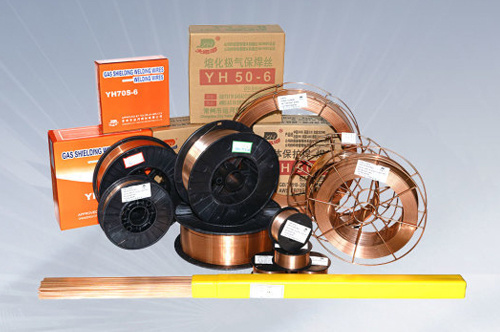
How Gas Shielded Welding Wire Enhances Your Welding Projects
Release time:
2025-12-19
How Gas Shielded Welding Wire Enhances Your Welding Projects Welding is an essential process in various industries, providing strong and durable joints in metal fabrication. One of the most critical elements that impacts the quality of welding is the choice of welding wire. Among the various types available, gas shielded welding wire stands out for its superior performance. This article delves int
How Gas Shielded Welding Wire Enhances Your Welding Projects
Welding is an essential process in various industries, providing strong and durable joints in metal fabrication. One of the most critical elements that impacts the quality of welding is the choice of welding wire. Among the various types available, gas shielded welding wire stands out for its superior performance. This article delves into how gas shielded welding wire enhances your welding projects, providing a comprehensive guide to its advantages, applications, and expert tips.
Table of Contents
- 1. Introduction to Gas Shielded Welding Wire
- 2. Advantages of Gas Shielded Welding Wire
- 3. Types of Gas Shielded Welding Wire
- 4. How to Choose the Right Gas Shielded Welding Wire
- 5. Best Practices for Using Gas Shielded Welding Wire
- 6. Common Mistakes to Avoid
- 7. Real-World Applications of Gas Shielded Welding Wire
- 8. Conclusion
- 9. FAQs
1. Introduction to Gas Shielded Welding Wire
Gas shielded welding wire is a vital component in the welding process. It is designed to work with a shielding gas that protects the weld pool from contamination by atmospheric gases, such as oxygen and nitrogen. This protection is crucial for achieving a high-quality weld. The combination of the wire and the shielding gas results in a cleaner, stronger, and more aesthetically pleasing weld, which is particularly important in industries such as automotive, construction, and aerospace.
2. Advantages of Gas Shielded Welding Wire
2.1 Improved Weld Quality
One of the standout benefits of using gas shielded welding wire is the significant improvement in weld quality. The shielding gas creates a protective layer around the weld pool, minimizing the risk of oxidation and contamination. As a result, welds are smoother, cleaner, and have a more visually appealing finish, which is crucial in applications where aesthetics matter. Welders can achieve deeper penetration and better fusion between the base materials, leading to stronger joints.
2.2 Increased Durability and Strength
Welds made with gas shielded welding wire exhibit greater durability and strength compared to those made with other types of welding wire. The controlled environment provided by the shielding gas prevents impurities from weakening the weld. This increased strength makes gas shielded welding wire ideal for high-stress applications, where reliability is paramount. Whether in heavy machinery or structural steelwork, the durability of these welds can withstand rigorous conditions, ensuring longevity and safety.
2.3 Versatility in Applications
Gas shielded welding wire is versatile and suitable for various welding processes, including MIG (Metal Inert Gas) and TIG (Tungsten Inert Gas) welding. This adaptability allows welders to use gas shielded wires in a range of materials, including carbon steel, stainless steel, and aluminum. The ability to work with multiple materials means that welders can tackle diverse projects with a single type of wire, enhancing efficiency and reducing the need for inventory.
3. Types of Gas Shielded Welding Wire
3.1 Solid Welding Wire
Solid welding wire is commonly used in MIG welding. It provides excellent arc stability and is available in various diameters to accommodate different welding tasks. The solid structure of the wire allows for smooth feeding through the welding gun, resulting in consistent and high-quality welds. Solid wires are often used for thin materials, offering precise control over the weld pool.
3.2 Flux-Cored Welding Wire
Flux-cored welding wire is another popular option that combines the benefits of gas shielding with the added convenience of an internal flux. This type of wire can be used with or without shielding gas, making it suitable for outdoor applications where wind may disrupt the shielding gas. Flux-cored wires provide good penetration and are often used for thicker materials, making them ideal for heavy-duty welding tasks.
4. How to Choose the Right Gas Shielded Welding Wire
Selecting the right gas shielded welding wire involves considering several factors:
- Material Type: Ensure the wire is compatible with the base material you are welding.
- Wire Diameter: Choose the diameter based on the thickness of the materials being welded and the welding process.
- Application: Consider the specific requirements of your project, such as the need for speed, penetration, or aesthetic finish.
- Shielding Gas: Select an appropriate shielding gas that complements the wire for optimal performance.
5. Best Practices for Using Gas Shielded Welding Wire
To maximize the benefits of gas shielded welding wire, follow these best practices:
- Maintain Equipment: Regularly clean and maintain your welding equipment to ensure optimal wire feeding and consistent arc stability.
- Set Correct Parameters: Adjust the voltage, amperage, and wire feed speed according to the wire type and material.
- Monitor Shielding Gas Flow: Ensure the shielding gas flow rate is adequate to protect the weld pool without causing turbulence.
- Practice Proper Technique: Use the correct welding technique, including travel speed and angle, to achieve uniform welds.
6. Common Mistakes to Avoid
Even experienced welders can make mistakes when using gas shielded welding wire. Common pitfalls include:
- Incorrect Gas Mixture: Using the wrong shielding gas mixture can lead to poor weld quality.
- Inadequate Cleaning: Failing to clean the base metal properly can result in contamination and weak welds.
- Poor Wire Feed Settings: Incorrect wire feed settings can lead to burn-through or lack of penetration.
- Neglecting Safety Gear: Always wear appropriate safety gear to protect against sparks and UV radiation.
7. Real-World Applications of Gas Shielded Welding Wire
Gas shielded welding wire is utilized across various industries, including:
- Automotive Manufacturing: For structural components and bodywork, gas shielded welding provides strong and visually appealing joints.
- Construction: In building frameworks and infrastructure, the durability of welds ensures safety and longevity.
- Aerospace: High-strength welds are essential for aircraft components, where every ounce counts.
- Shipbuilding: Gas shielded welding wire is ideal for welding thick steel plates in ship hulls.
8. Conclusion
Gas shielded welding wire is a game-changer in the welding industry, offering unmatched advantages in quality, durability, and versatility. By selecting the right type of wire, adhering to best practices, and avoiding common mistakes, welders can significantly enhance their projects. This technology not only improves the strength of welds but also contributes to the overall aesthetic of the finished product. Whether you are a professional welder or a DIY enthusiast, incorporating gas shielded welding wire into your toolkit will undoubtedly elevate your welding experience.
9. FAQs
What is the main function of gas shielded welding wire?
The main function of gas shielded welding wire is to create a protective atmosphere around the weld pool, preventing contamination from atmospheric gases, which enhances weld quality and strength.
Can I use gas shielded welding wire outdoors?
Yes, gas shielded welding wire can be used outdoors, especially if you choose flux-cored welding wire, which can operate with or without shielding gas. However, wind conditions should be managed to prevent gas dispersion.
How do I know which shielding gas to use?
Choosing the right shielding gas depends on the materials you are welding and the type of process you are using. Common choices for MIG welding include Argon, CO2, and mixed gases.
Is gas shielded welding wire suitable for aluminum welding?
Yes, certain types of gas shielded welding wire are specifically designed for aluminum welding, providing excellent penetration and a clean finish.
What safety measures should I take when using gas shielded welding wire?
Always wear appropriate safety gear such as gloves, helmets, and protective clothing. Ensure proper ventilation in your workspace and be cautious of fire hazards.


YUNHE WELDING MATERIAL

Share to


Information Subscription
Welcome to leave your message of interest, we will contact you soon
Yaoguan Town, Wujin District, Changzhou, Jiangsu, China
Copyright©2025 Changzhou City Yunhe Welding Material Co.,Ltd.