

Understanding Carbon Steel Welding Wire: Key Insights for Professionals
Release time:
2025-12-18
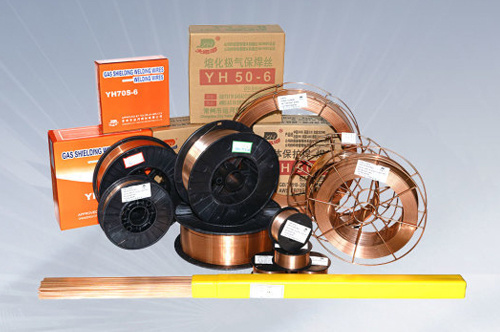
Carbon steel welding wire is a critical component in various welding applications, particularly in the electrical and welding industry. It is primarily used for welding carbon steel materials, which are widely utilized in construction, manufacturing, and repair work. Understanding the properties and applications of carbon steel welding wire can greatly enhance your welding projects and improve ove
One of the key aspects of carbon steel welding wire is its composition. Carbon steel welding wire is typically made from low to medium carbon steel, which provides a good balance of strength and ductility. This makes it suitable for a wide range of applications, from structural welding to fabrication tasks. The carbon content in the wire affects its mechanical properties, so it's essential to choose a wire that matches the requirements of your specific project.
There are various types of carbon steel welding wires available, including ER70S-6, ER70S-3, and others. Each type has unique characteristics that make it suitable for different welding processes and materials. For instance, ER70S-6 is known for its excellent feedability and low spatter, making it an ideal choice for both short-circuit and spray transfer welding. Understanding these differences will help you select the right wire for your application and achieve optimal results.
When working with carbon steel welding wire, proper handling and storage are crucial for maintaining its quality. It is essential to store the wire in a dry environment to prevent moisture from causing rust or other defects. Additionally, ensuring that the wire is free from contaminants before use will result in cleaner welds and stronger joints.
Moreover, proper welding techniques significantly influence the quality of the weld. Maintaining the correct voltage and amperage settings, as well as proper travel speed, can enhance the penetration and appearance of the weld. It is also advisable to perform pre-weld and post-weld treatments, such as cleaning the surfaces and using appropriate filler materials, to ensure a strong bond.
In summary, carbon steel welding wire is an indispensable material in the welding industry, and understanding its properties, types, and best practices can lead to improved outcomes in your projects. By selecting the right wire and employing effective welding techniques, professionals in the electrical and welding fields can achieve strong, reliable welds that meet industry standards.


YUNHE WELDING MATERIAL

Share to


Information Subscription
Welcome to leave your message of interest, we will contact you soon
Yaoguan Town, Wujin District, Changzhou, Jiangsu, China
Copyright©2025 Changzhou City Yunhe Welding Material Co.,Ltd.