

Understanding Gas Shielded Welding Wire: Key Insights for Professionals
Release time:
2025-11-24
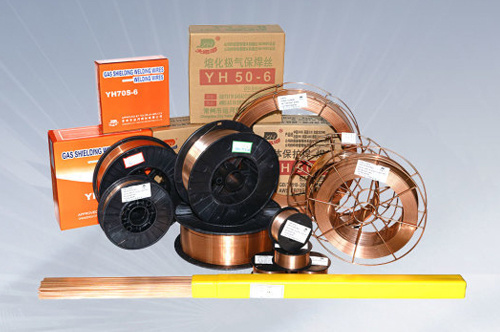
Gas shielded welding wire is a pivotal component in the welding industry, particularly for those engaged in high-quality welding applications. This type of welding wire is specifically designed to be used with gas shielded welding processes such as Gas Metal Arc Welding (GMAW) and Flux-Cored Arc Welding (FCAW). The primary purpose of the gas shield is to protect the molten weld pool from atmospher
One of the main advantages of gas shielded welding wire is its ability to produce high-quality welds with minimal defects. The shielding gas, typically an argon or a mixture of argon and carbon dioxide, creates an inert atmosphere that prevents oxidation and other reactions that can weaken the weld. This results in a finished product that boasts excellent mechanical properties and visual appeal, critical for applications in industries such as construction, automotive, and manufacturing.
When selecting gas shielded welding wire, it is essential to consider several factors. The wire's diameter, composition, and the type of shielding gas used can all impact the welding process and the final results. For instance, a larger diameter wire may allow for higher deposition rates, making it suitable for thicker materials and high-speed applications. Conversely, a smaller diameter wire is often used for more delicate work or thinner materials.
Additionally, the choice of shielding gas can influence the characteristics of the weld. Pure argon provides excellent arc stability and is ideal for non-ferrous metals like aluminum and magnesium. In contrast, a mix of argon and carbon dioxide can enhance penetration and bead appearance when welding ferrous materials such as steel.
Moreover, professionals must also consider the welding position and the environment where the welding will take place. Factors like wind, drafts, and humidity can affect the efficacy of the shielding gas, potentially leading to oxidation if not adequately managed. Therefore, ensuring a controlled environment where possible is crucial for achieving optimal welding results.
In summary, gas shielded welding wire is an essential material for achieving high-quality welds in various applications. Understanding its features, benefits, and the factors that influence its performance can significantly enhance welding practices. For professionals in the welding industry, selecting the appropriate gas shielded welding wire can lead to improved efficiency, reduced defects, and overall superior weld quality.


YUNHE WELDING MATERIAL

Share to


Information Subscription
Welcome to leave your message of interest, we will contact you soon
Yaoguan Town, Wujin District, Changzhou, Jiangsu, China
Copyright©2025 Changzhou City Yunhe Welding Material Co.,Ltd.