


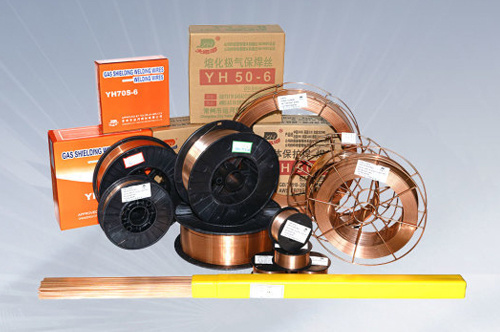
Exploring the Benefits of Gas Shielded Welding Wire for Durable Joints
Release time:
2025-11-19
Exploring the Benefits of Gas Shielded Welding Wire for Durable Joints In the realm of welding, selecting the right materials and methods is paramount for achieving **strong, long-lasting joints**. Among the various options available, **gas shielded welding wire** has emerged as a preferred choice for many professionals. This article will delve into the myriad advantages of using gas shielded weld
Exploring the Benefits of Gas Shielded Welding Wire for Durable Joints
In the realm of welding, selecting the right materials and methods is paramount for achieving **strong, long-lasting joints**. Among the various options available, **gas shielded welding wire** has emerged as a preferred choice for many professionals. This article will delve into the myriad advantages of using gas shielded welding wire, explore its applications, and provide insights into its capabilities in creating durable joints.
Table of Contents
- Understanding Gas Shielded Welding Wire
- Advantages of Gas Shielded Welding Wire
- Types of Gas Shielded Welding Wire
- Applications of Gas Shielded Welding Wire
- Comparison with Other Welding Methods
- Best Practices for Using Gas Shielded Welding Wire
- The Future of Gas Shielded Welding Technology
- FAQs
Understanding Gas Shielded Welding Wire
Gas shielded welding wire is primarily used in processes like **MIG (Metal Inert Gas)** and **TIG (Tungsten Inert Gas)** welding. In these methods, a shielding gas is employed to protect the molten weld pool from atmospheric contamination, which can lead to defects in the weld. This innovative approach not only enhances the quality of the weld but also improves the overall performance of the welding process.
The Role of Shielding Gas
The **shielding gas** plays a crucial role in gas shielded welding. Common gases used include argon, helium, and carbon dioxide. Each gas serves a specific purpose, contributing to the stability of the arc, and influencing the weld's penetration and appearance. Understanding the interaction between the gas and the welding wire is essential for optimizing the welding outcome.
Advantages of Gas Shielded Welding Wire
Gas shielded welding wire offers numerous advantages that set it apart from traditional welding methods. Here are some key benefits:
1. Enhanced Weld Quality
One of the most significant advantages of gas shielded welding wire is the **superior weld quality** it produces. The shielding gas effectively protects the molten metal from contaminants, resulting in cleaner, smoother welds with minimal defects.
2. Increased Penetration
Gas shielded welding techniques facilitate deeper penetration into the base materials. This characteristic is crucial when working with thicker metals, ensuring a strong bond that can withstand various stress factors.
3. Greater Versatility
Gas shielded welding wire can be used on a wide range of materials, including mild steel, stainless steel, and aluminum. This versatility makes it an essential tool for various industries, from automotive to construction.
4. Reduced Post-Weld Cleaning
Due to the minimal spatter and slag associated with gas shielded welding, the need for extensive post-weld cleaning is significantly reduced. This not only saves time but also reduces labor costs.
5. Improved Operator Control
Welders using gas shielded techniques often experience better control over the welding process. The stability of the arc allows for precise manipulation, leading to more accurate welds.
Types of Gas Shielded Welding Wire
Understanding the different types of gas shielded welding wire is essential when selecting the appropriate wire for specific applications. Here are some common types:
1. Solid Wire
Solid wire is the most commonly used type of gas shielded welding wire. It is made from a single metal and is ideal for a wide range of applications, providing excellent control and performance.
2. Flux-Cored Wire
This type of wire contains a flux core that enhances the welding process by providing additional shielding and alloying elements. Flux-cored wires are particularly useful in outdoor environments where wind can affect the shielding gas.
3. Metal-Cored Wire
Metal-cored wires combine the benefits of solid and flux-cored wires, offering higher deposition rates and improved weld quality. They are often used in applications requiring high productivity.
Applications of Gas Shielded Welding Wire
The applications of gas shielded welding wire are vast and varied, making it indispensable in numerous industries:
1. Automotive Industry
In automotive manufacturing, gas shielded welding wire is used to weld frame components, body panels, and exhaust systems. Its ability to create strong joints is crucial for vehicle safety and performance.
2. Construction
Gas shielded welding wire is widely used in construction for structural steel fabrication. Its versatility allows for effective welding of different materials, making it ideal for building frameworks and infrastructures.
3. Shipbuilding
In the shipbuilding industry, gas shielded welding wire is employed to join thick steel plates and structures that must withstand harsh marine environments. The durability of the welds is critical for the longevity of vessels.
4. Oil and Gas
Gas shielded welding is essential in the oil and gas sector for constructing pipelines and platforms. The strength and reliability of the welds ensure safe transportation of resources.
Comparison with Other Welding Methods
When comparing gas shielded welding wire with other welding methods, several factors come into play:
1. MIG vs. Stick Welding
MIG welding, which utilizes gas shielded welding wire, generally provides cleaner welds compared to stick welding. Stick welding is more suited for outdoor use but often requires more cleanup and results in more spatter.
2. TIG vs. MIG
TIG welding offers greater control and is ideal for thinner materials. However, it is typically slower than MIG welding, which uses gas shielded wire. For projects requiring speed and efficiency, MIG is often preferred.
Best Practices for Using Gas Shielded Welding Wire
Maximizing the benefits of gas shielded welding wire requires adherence to best practices:
1. Select the Right Shielding Gas
The choice of shielding gas can greatly affect the quality of the weld. Understanding the specific requirements of your project will help you select the appropriate gas for optimal results.
2. Maintain Proper Equipment Settings
Ensure that your welding machine settings are correctly calibrated for the type of wire and materials you are using. This includes voltage, wire feed speed, and gas flow rate.
3. Clean the Base Materials
Before welding, thoroughly clean the base materials to remove contaminants such as rust, oil, or dirt. A clean surface is essential for achieving a strong bond.
4. Practice Good Welding Technique
Employing proper welding techniques, such as maintaining a steady hand and consistent travel speed, significantly impacts the quality of the weld. Practice regularly to enhance your skills.
The Future of Gas Shielded Welding Technology
The future of gas shielded welding technology is promising, with ongoing advancements aimed at improving efficiency, safety, and versatility. Innovations in welding materials and processes will continue to enhance the performance of gas shielded welding wire, making it an even more valuable tool in various applications.
FAQs
1. What is the main difference between MIG and TIG welding?
The primary difference lies in the electrode used. MIG welding uses a continuous wire feed, while TIG welding employs a non-consumable tungsten electrode with a separate filler rod.
2. Can gas shielded welding wire be used outdoors?
Yes, gas shielded welding wire can be used outdoors, especially with the flux-cored variety, which provides additional protection against wind and atmospheric contamination.
3. What shielding gases are most commonly used with gas shielded welding wire?
Argon and carbon dioxide are the most common shielding gases, with argon being preferred for aluminum and stainless steel, while carbon dioxide is often used for mild steel.
4. How do I know which type of gas shielded welding wire to use?
The choice of gas shielded welding wire depends on the base materials, thickness, and specific application requirements. Consult with a welding professional or supplier for recommendations.
5. What are the safety precautions for using gas shielded welding wire?
Safety precautions include wearing appropriate personal protective equipment (PPE), ensuring proper ventilation, and following manufacturer guidelines for equipment usage.
Conclusion
Gas shielded welding wire stands out as a superior choice for creating durable, high-quality joints across various applications. Its advantages, including enhanced weld quality, increased penetration, and versatility, make it an invaluable tool for professionals in the welding industry. By adhering to best practices and staying informed about advancements in the field, welders can maximize the benefits of this technology, ensuring efficient and reliable results in their projects. The continuous evolution of gas shielded welding technology promises an exciting future, solidifying its place as a cornerstone in modern welding practices.


YUNHE WELDING MATERIAL

Share to


Information Subscription
Welcome to leave your message of interest, we will contact you soon
Yaoguan Town, Wujin District, Changzhou, Jiangsu, China
Copyright©2025 Changzhou City Yunhe Welding Material Co.,Ltd.