

Understanding Carbon Steel Welding Wire: Essential Insights for Effective Welding
Release time:
2025-11-18
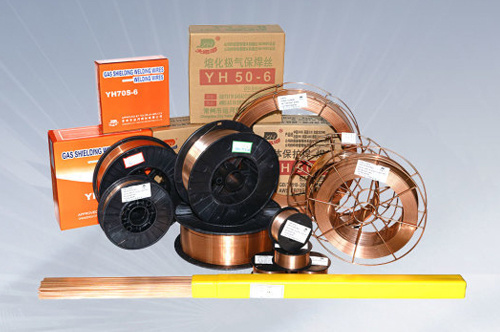
Carbon steel welding wire plays a pivotal role in the welding and fabrication industries due to its versatility and strength. Primarily composed of iron and carbon, this type of welding wire is widely used in various applications, making it a popular choice among welding professionals. Understanding the properties and uses of carbon steel welding wire can significantly enhance your welding experie
One of the standout features of carbon steel welding wire is its excellent weldability. It offers a good balance between ductility and tensile strength, which is essential for creating strong and durable weld joints. The carbon content in the wire can vary, which affects its hardness and tensile strength. For instance, low-carbon steel welding wires are easier to work with and are often used for applications where flexibility is crucial, whereas high-carbon wires provide superior strength and are often employed in heavy-duty applications.
In addition to its mechanical properties, carbon steel welding wire is compatible with various welding processes, including MIG (Metal Inert Gas) and TIG (Tungsten Inert Gas) welding. Its versatility allows it to be used in a wide range of applications, from automotive repairs to structural steel fabrication. This adaptability makes it an indispensable tool for welders across various sectors.
When selecting carbon steel welding wire, it’s essential to consider the specific requirements of your project. Factors such as the thickness of the materials being welded, the desired strength of the weld, and environmental conditions can influence your choice. For instance, in outdoor environments or areas exposed to moisture, using a coated wire can provide additional protection against corrosion.
Moreover, proper storage and handling of carbon steel welding wire are vital to maintaining its quality. It should be stored in a dry place to prevent moisture absorption, which can lead to rust and compromise the welding process. When working with welding wire, always ensure that your workspace is clean and free from contaminants to achieve optimal results.
In summary, carbon steel welding wire is a fundamental component in the welding industry, known for its excellent weldability, strength, and versatility. By understanding its properties and applications, you can make informed decisions that lead to successful welding projects. Whether you are engaged in light fabrication or heavy-duty welding, knowing how to effectively use carbon steel welding wire can significantly enhance the quality of your work.


YUNHE WELDING MATERIAL

Share to


Information Subscription
Welcome to leave your message of interest, we will contact you soon
Yaoguan Town, Wujin District, Changzhou, Jiangsu, China
Copyright©2025 Changzhou City Yunhe Welding Material Co.,Ltd.