

Understanding Gas Shielded Welding Wire: A Guide for Professionals
Release time:
2025-11-14
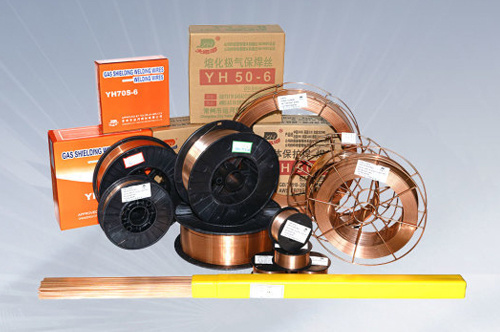
Gas shielded welding wire is a crucial component in the welding industry, particularly in processes like Gas Metal Arc Welding (GMAW) and Flux-Cored Arc Welding (FCAW). The term “gas shielded” refers to the protective gas flow that surrounds the weld area during the welding process. This gas shield serves several vital functions, including protecting the molten weld pool from atmospheric contamina
One of the primary materials used for gas shielded welding is typically a wire that can carry an electric current while simultaneously providing a filler material for the weld. The most commonly used gases in conjunction with gas shielded welding wire include argon, carbon dioxide, or a mixture of both. The choice of shielding gas directly influences the quality and characteristics of the weld, making it imperative for welders to understand the specific requirements of their projects.
The benefits of using gas shielded welding wire are manifold. First and foremost, the resulting welds are often more robust and cleaner, as the shielding gas minimizes oxidation and contamination. This allows for excellent penetration and fusion, making it suitable for a variety of metals, including steel, stainless steel, and aluminum. Additionally, gas shielded welding can be performed in various positions, providing versatility to welders who may work in less-than-ideal conditions.
When selecting gas shielded welding wire, several factors must be considered to ensure optimal performance. The diameter of the wire should match the specifications for the welding machine and the thickness of the material being welded. Smaller diameters are typically used for thinner materials, while larger diameters are better suited for thicker sections. Furthermore, understanding the appropriate wire feed speed is crucial, as it can affect the heat input and overall quality of the weld.
Safety is another critical aspect of working with gas shielded welding wire. Welders should always wear appropriate personal protective equipment (PPE), including helmets with appropriate filter lenses, gloves, and protective clothing. Additionally, ensuring good ventilation in the welding area is essential to avoid harmful fumes that can arise during the welding process.
In conclusion, gas shielded welding wire plays a vital role in the welding industry, providing welders with the necessary tools to achieve high-quality welds. Understanding the properties, applications, and best practices associated with this type of welding wire can significantly enhance the efficiency and safety of welding operations. As the welding industry evolves, staying informed about advancements and innovations in welding materials like gas shielded welding wire will continue to be essential for both novice and experienced welders alike.


YUNHE WELDING MATERIAL

Share to


Information Subscription
Welcome to leave your message of interest, we will contact you soon
Yaoguan Town, Wujin District, Changzhou, Jiangsu, China
Copyright©2025 Changzhou City Yunhe Welding Material Co.,Ltd.