

Understanding Aluminum Alloy Welding Wire: A Comprehensive Guide
Release time:
2025-11-12
Aluminum alloys are widely recognized for their lightweight, strength, and corrosion resistance, making them a popular choice in numerous industries, including automotive, aerospace, and construction. When it comes to welding aluminum, using the right welding wire is crucial for achieving strong and durable joints. This is where aluminum alloy welding wire comes into play. Aluminum alloy welding
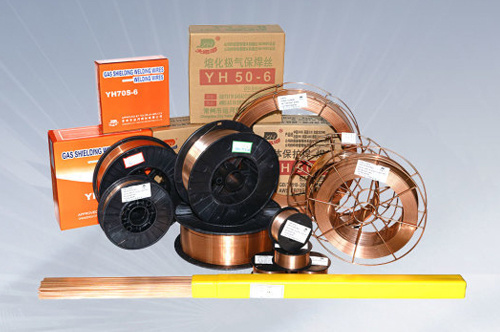
Aluminum alloy welding wire is specifically designed for use in welding aluminum and its alloys. It is often made from a mixture of aluminum and other elements, such as magnesium, silicon, or copper, which enhances its overall properties. The type of alloy used in the welding wire can significantly influence the weld's characteristics, including its strength, ductility, and resistance to corrosion.
One of the primary benefits of using aluminum alloy welding wire is its ability to produce high-quality welds with minimal distortion. Aluminum has high thermal conductivity, meaning it dissipates heat quickly. This feature can lead to warping if not managed properly. However, using the right welding wire can help mitigate this issue, allowing for better control over the welding process.
Another important factor to consider is the selection of the appropriate welding technique. Common methods for welding aluminum alloys include Gas Metal Arc Welding (GMAW) and Gas Tungsten Arc Welding (GTAW). GMAW is favored for its speed and adaptability, while GTAW is lauded for its precision and control. The choice of welding technique will often dictate the type of aluminum alloy welding wire that should be used.
When working with aluminum alloy welding wire, it is also essential to prepare the base materials adequately. Proper cleaning and surface preparation are critical steps to ensure good weld quality. Any contaminants, such as oil, dirt, or oxidation, must be removed to prevent defects in the weld.
Additionally, aluminum welding requires a different approach compared to welding steel. Factors like the use of appropriate shielding gas, managing travel speed, and maintaining the right arc length are crucial for achieving a successful weld.
In summary, aluminum alloy welding wire is a fundamental component in the welding industry, offering unique advantages for working with aluminum and its alloys. Understanding the properties and applications of different aluminum alloys can lead to better welding outcomes, ensuring the strength and durability of welded structures. Whether you're an experienced welder or a newcomer to the field, familiarizing yourself with aluminum alloy welding wire and its proper use can significantly enhance your welding projects.


YUNHE WELDING MATERIAL

Share to


Information Subscription
Welcome to leave your message of interest, we will contact you soon
Yaoguan Town, Wujin District, Changzhou, Jiangsu, China
Copyright©2025 Changzhou City Yunhe Welding Material Co.,Ltd.